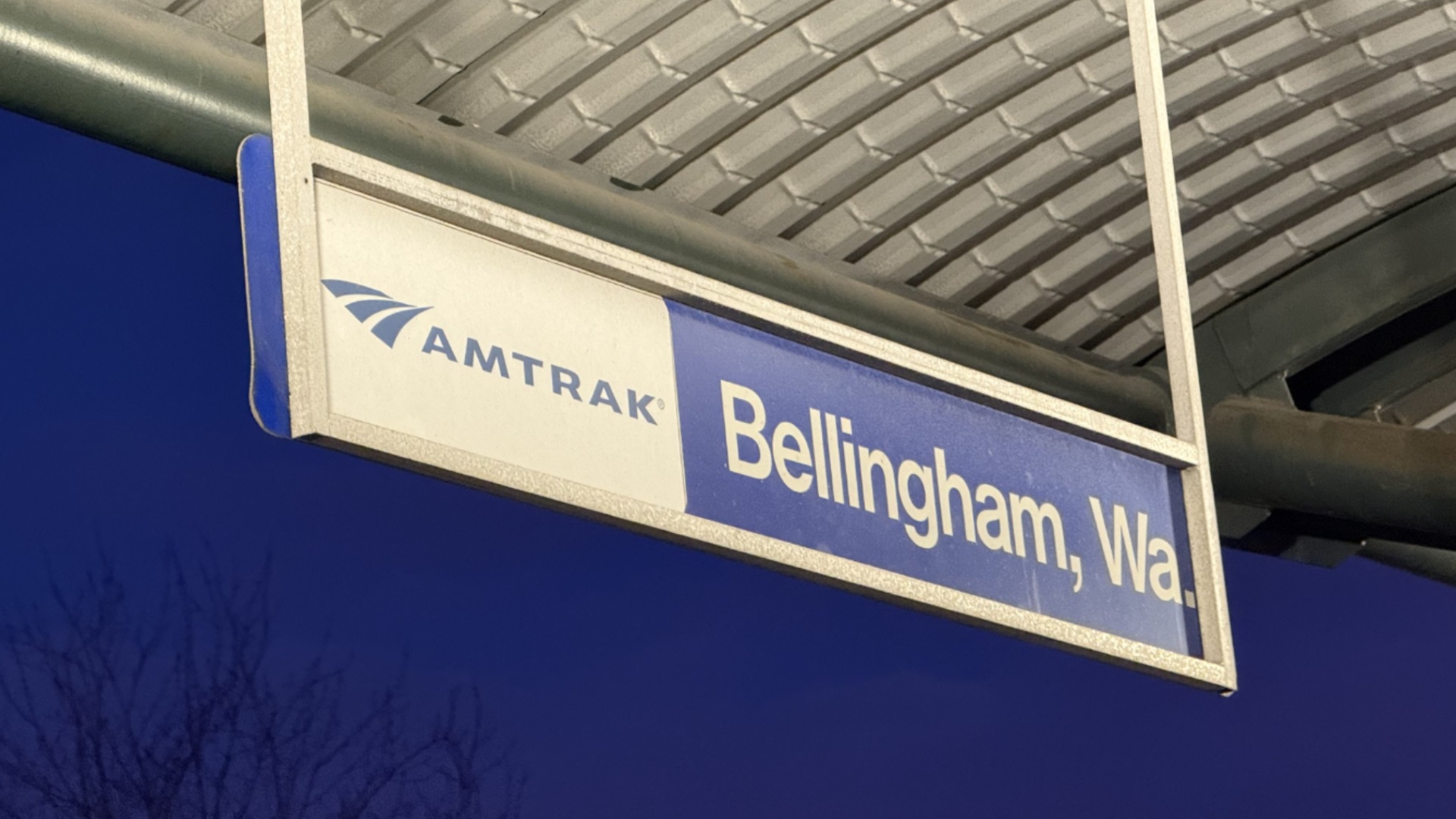
Passengers on the Amtrak Cascades route through Bellingham will see a significant upgrade to their travel experience starting September 30, 2026, when the Washington State Department of Transportation begins running a newly enhanced train fleet on the Pacific Northwest corridor. WSDOT announced the launch date during a Puget Sound Regional Council meeting on September 10, confirming that the so-called Airo Fleet will replace older equipment on the route that connects Vancouver, B.C. through Bellingham and Seattle to Eugene, Oregon.
What Is the Airo Fleet?
The Airo Fleet is a next-generation passenger rail equipment package procured by WSDOT as part of a long-running effort to modernize the Cascades corridor. The new trainsets offer increased seating capacity compared to the equipment they replace, meaning more passengers can ride on each departure without the service being sold out as frequently. WSDOT Rail, Freight, and Ports Strategic Planning Manager Jason Beloso described the passenger experience improvements at the Puget Sound Regional Council meeting: "We'll be having improved seats, we'll have larger baggage and bicycle capacity, along with significantly improved Wi-Fi."
Each of those upgrades addresses a specific complaint that regular Cascades riders have made over the years. Seat comfort on long corridor trips matters more than it might on a short commuter rail segment, since passengers from Bellingham to Seattle are on the train for roughly two hours. Better Wi-Fi makes that time more productive for commuters, remote workers, and students. And the baggage and bicycle storage expansion is a notable improvement for Bellingham travelers specifically.
The city has a strong cycling culture, and riders frequently use the Cascades to make trips to Seattle or Vancouver with bikes in tow. The current equipment has limited space for full-size bicycles, sometimes requiring reservations well in advance and turning away riders who did not plan ahead. Expanded bicycle capacity should ease that bottleneck and make the train a more practical option for cyclists who want to combine rail travel with biking at their destination, a travel pattern that aligns naturally with Bellingham's outdoor-oriented population.
According to reporting by The Urbanist, one of the new trainsets will operate on the Seattle to Vancouver, B.C. segment, another will cover Seattle to Eugene, and a third will be held as a spare to cover maintenance cycles and service disruptions. Bellingham sits on the Seattle-Vancouver segment, meaning the city will see the upgraded equipment on northbound and southbound departures once service begins on September 30.
The Cascades Route Through Bellingham
The Amtrak Cascades is one of the most heavily used state-supported passenger rail routes in the United States. WSDOT funds the Washington portion of the service in partnership with Oregon, which co-funds the southern segment to Eugene. The partnership model allows both states to offer more frequent service than either could support independently, and the corridor has benefited from sustained public investment over several decades. The route serves Bellingham's downtown station and is a key transportation option for residents traveling to Seattle without a car, for students at Western Washington University commuting to internships or family visits in the Puget Sound region, and for visitors arriving from Vancouver or Seattle.
The Bellingham station is located at 401 Harris Avenue near the waterfront, walkable to the historic Fairhaven neighborhood and accessible by local bus service. Round-trip fares between Bellingham and Seattle typically range from around $30 to $60 depending on how far in advance tickets are purchased, making the train competitive with driving when gas and parking costs are factored in. For travelers who prefer not to navigate Seattle's parking infrastructure, the train is often the more convenient option even before the cost comparison is made.
The Bigger Picture: Cascadia High-Speed Rail
The September 30 Airo Fleet launch is the near-term upgrade that Bellingham passengers will experience directly, but WSDOT also used the Puget Sound Regional Council meeting to preview a more ambitious long-term project. The agency announced it will release a development plan for the Cascadia High-Speed Rail project in 2028. The proposed high-speed rail corridor would travel at speeds up to 250 mph, potentially enabling one-hour trips between Seattle and Vancouver, B.C. or between Seattle and Portland. That would represent a fundamental transformation of regional mobility, compressing travel times that currently run two to three hours for conventional rail into something closer to a long commute.
Whether the high-speed line would stop in Bellingham is not yet determined. WSDOT said the 2028 development plan will identify potential route options, but preferred routes and station locations will not be decided until a later phase of planning. For a city the size of Bellingham, a high-speed rail stop would be transformative, dramatically reducing travel time to Seattle and potentially making the city more attractive for businesses and residents who commute regionally. The case for a Bellingham stop is geographic: the city sits roughly halfway between Seattle and Vancouver on the I-5 corridor, and bypassing it would leave the entire Whatcom County region unserved by the high-speed network. That decision remains years away, but the 2028 plan release will be a key moment for Bellingham and Whatcom County to engage with state planners and make the case for inclusion.
In the meantime, the September 30 launch of the Airo Fleet represents a concrete improvement that Bellingham passengers will notice on their next trip south or north. Reservations for Cascades departures after September 30 can be made through the Amtrak website or the WSDOT Cascades page. For more on transportation developments affecting Whatcom County this fall, recent road closure updates are worth bookmarking ahead of the week.