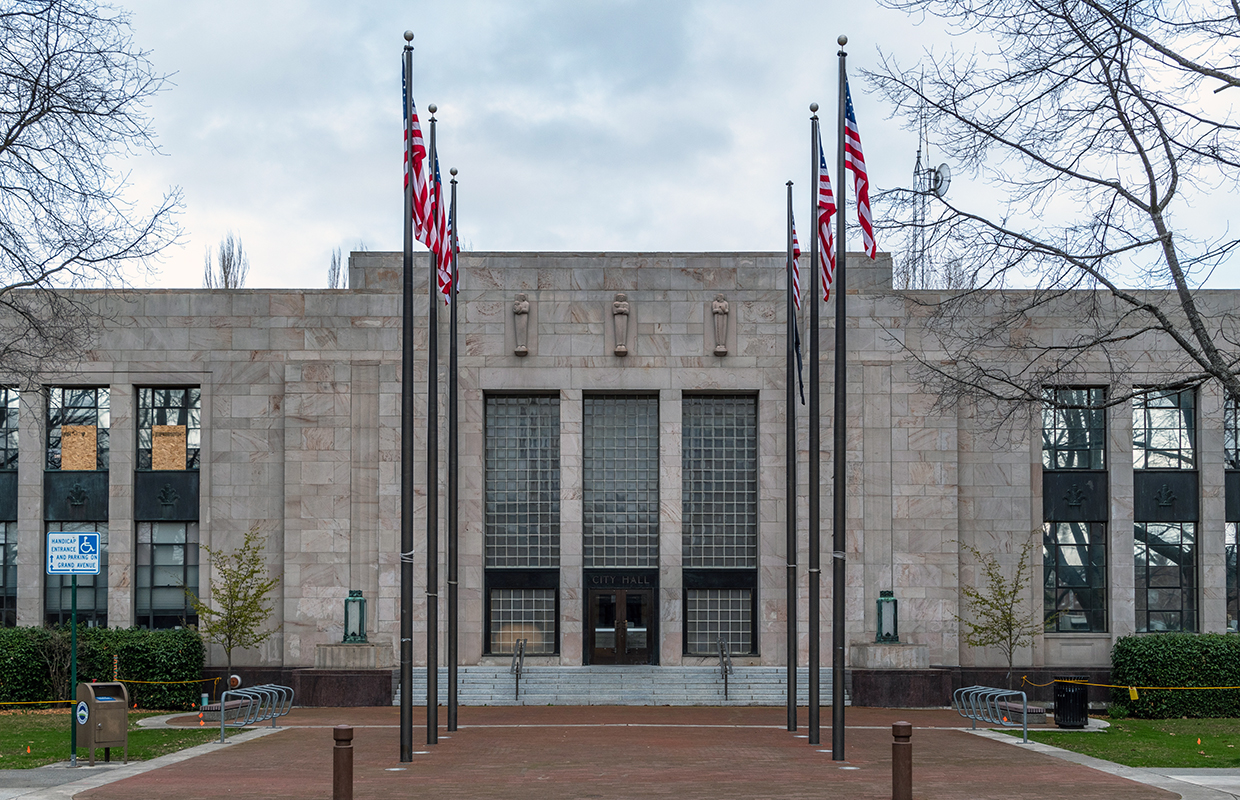
Bellingham is poised to become the next Washington city to ban the sale of kratom after the city mayor introduced an ordinance that will go before the Bellingham City Council on Monday, September 14. The council will discuss the measure in a committee hearing at 1 p.m. before it advances to the full council during the regular meeting at 7 p.m. at Bellingham City Hall. Community members will have an opportunity to speak during the public comment period at the start of the evening meeting.
The proposed ordinance would prohibit the sale, distribution, and preparation of kratom and related products within Bellingham city limits. If passed, Bellingham would join Mount Vernon, Spokane, Spokane Valley, Othello, Cle Elum, and Moses Lake in restricting or banning kratom sales across Washington state.
What Is Kratom and Why the Concern
Kratom is a plant originally from Southeast Asia whose leaves contain naturally occurring compounds that interact with opioid receptors in the brain. At low doses, those compounds can produce stimulant-like effects; at higher doses, they produce sedation and pain relief similar to opioids. The version of primary concern to regulators is not the raw plant material but a semi-synthetic, more potent extract form that has proliferated at gas stations, smoke shops, and convenience stores across the country in recent years, often sold in small bottles or capsules alongside energy drinks and dietary supplements with minimal labeling about risks or potency.
According to the U.S. Food and Drug Administration, a compound found in the kratom plant called 7-hydroxymitragynine, or 7-OH, can produce opioid-like effects similar to morphine and carries significant risks of addiction and withdrawal. The FDA has raised concerns about kratom products for years, warning that they are not approved for any medical use and that there have been reports of serious adverse effects, including deaths, associated with kratom use, particularly in combination with other substances. The agency's concern centers on the semi-synthetic concentrated extracts rather than traditional preparations of the plant, though it has taken a cautious stance toward all kratom products given the limited clinical research available.
The drug's availability over the counter, without prescription and without the regulatory oversight applied to controlled substances, has made it easy to obtain but difficult to track from a public health standpoint. Patients in withdrawal from kratom extracts can experience symptoms similar to opioid withdrawal, including nausea, muscle pain, anxiety, and insomnia, creating demands on local healthcare providers and addiction treatment programs that are already stretched thin.
What Other Washington Cities Have Done
Mount Vernon, located in neighboring Skagit County just south of Whatcom, voted last month to ban the sale and distribution of all kratom products within city limits. That vote appears to have accelerated Bellingham's timeline for introducing a similar measure, given the geographic proximity and the shared healthcare and social service infrastructure the two counties rely on.
Spokane and Spokane Valley, both significantly larger cities on the eastern side of the state, moved to restrict kratom sales earlier this year after local health officials documented a rise in emergency room visits and treatment program admissions linked to kratom use. Several smaller eastern Washington cities followed. The pattern of municipal bans spreading across the state reflects both the absence of federal action and the pressure local governments face from constituents and healthcare providers who are seeing the consequences of kratom's widespread availability firsthand. Without state or federal regulation, cities have concluded that local prohibition is the only tool available to them in the near term.
Washington state has not yet enacted a statewide ban or regulatory framework for kratom, leaving individual cities to act on their own authority. The patchwork of municipal bans creates enforcement complications, since a retailer in an unincorporated county area adjacent to Bellingham would not be subject to the city ordinance, but the city council has concluded that acting within its own jurisdiction is better than waiting indefinitely for state action.
What Happens Monday and What Comes Next
The September 14 committee hearing at 1 p.m. will give council members an opportunity to ask questions of city staff and hear from the public before the ordinance is formally considered at the 7 p.m. full council meeting. Both meetings take place at Bellingham City Hall, 210 Lottie Street. The committee hearing format allows for more detailed back-and-forth between council members and staff than the regular meeting, making it the more substantive of the two sessions for those tracking the policy details.
If the ordinance passes on Monday, enforcement would likely follow a short implementation period to allow retailers currently selling kratom products to comply with the new rules. Businesses that continue to sell prohibited products after the effective date would be subject to fines and other enforcement actions under city ordinance. The city's code enforcement and licensing systems would be the primary mechanisms for identifying non-compliant retailers, likely supplemented by complaints from members of the public.
The ordinance is expected to face some opposition from retailers who carry kratom products, particularly smoke shops and convenience stores that have built kratom into their sales mix. Some kratom advocates argue that the plant's raw form has legitimate uses and that bans unfairly target all kratom products rather than specifically addressing the more dangerous synthetic concentrates. That distinction may come up during public comment Monday evening, and how the council responds to it could influence whether the ordinance is drafted narrowly to target extracts or broadly to cover all kratom products as Mount Vernon's ordinance apparently does.
Residents who want to weigh in on the ordinance can attend Monday's meeting in person or submit written comments to the city council through the City of Bellingham website before the meeting begins. For those tracking broader public health policy in Whatcom County, the kratom discussion connects to ongoing community conversations about drug availability, addiction treatment resources, and the role cities can play in regulating substances that fall outside existing federal frameworks. Related context on local public health and civic decisions can be found in recent coverage of Whatcom County's budget pressures on health programs.