Washington Department of Fish and Wildlife has denied two petitions to reinstate the state's spring black bear hunt, a controversial season that was canceled in 2022 and has been at the center of a prolonged dispute involving accusations of government transparency violations, internal staff conflicts, and now a formal audit with findings that reached the governor's office.
The decision came after WDFW Director Kelly Susewind set a September 7 deadline to respond to a petition filed by Brad Thomsen, an Edmonds resident, in July. But WDFW communications manager Chase Gunnell told the Salish Current that the decision had already been made before that date. "In recognition of ongoing direction from the commission, and following staff and leadership review, WDFW has respectfully denied petitions to reinitiate rule making regarding the hunting of black bears in the spring," Gunnell wrote.
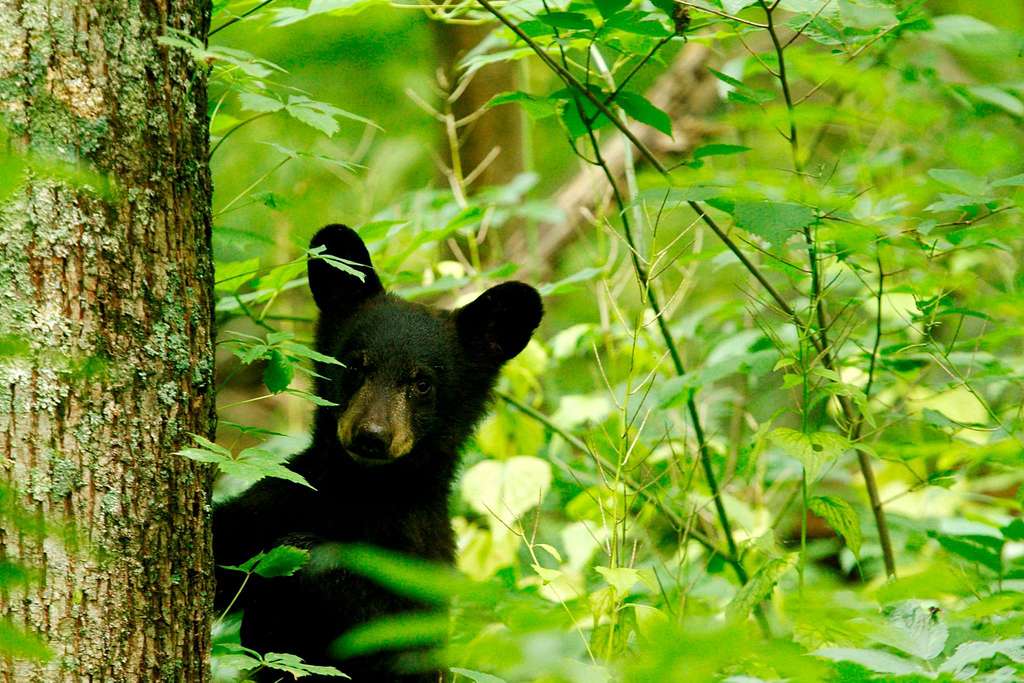
The fall black bear hunting season is currently underway in Skagit and Whatcom counties, where the species is common across forested terrain stretching from the Cascade foothills east to the North Cascades.
How the Spring Hunt Was Eliminated and Why It Still Matters
The Washington Department of Fish and Wildlife commission voted 5-4 against the spring bear hunt in 2022, ending a season that had been in place for years. The hunt originally served a practical purpose: spring black bears emerging from hibernation were drawn to coniferous tree farms where they stripped bark to feed on sugary sap, causing significant economic damage to the timber industry. The hunt was intended to reduce that pressure.
By 2020, timber companies had largely addressed the problem by placing feeding stations with sweetened pellets as an alternative food source. However, those stations attracted bears to the farms and then exposed them to hunters, raising ethical concerns. State investigators noted that the feeding stations effectively functioned as bait sites.
Opponents of the spring hunt argued it was inhumane for other reasons as well. Bears emerging from hibernation in spring have depleted their fat reserves over winter and are at their weakest. Females with cubs are particularly vulnerable, and before trees and bushes fully leaf out, bears are more visible and easier to kill. Martha Hall, an Anacortes resident who ran a wildlife rehabilitation center in San Diego for 18 years and served as chair of the Sierra Club Wildlife Committee, noted that female bears with cubs have almost no fat reserves in spring. "Many hunters do not take the time to ID the sex of black bears before killing them," she wrote. "Killing females with cubs is now illegal, and this is new. Does making this illegal prevent this? Maybe not, but it will prevent reporting it."
Supporters of the hunt, including Thomsen in his July petition, argued that the 2022 commission vote violated state law by failing to promote recreational opportunities as the agency's mandate requires. Thomsen also argued that Washington's black bear population, estimated by WDFW at roughly 22,000 statewide and described as one of the largest in the contiguous United States, is sufficient for sustainable harvest. WDFW estimates the statewide population has been growing in recent years.
The Audit and Its Findings
The dispute over the spring bear hunt escalated into something larger after Susewind formally asked Gov. Bob Ferguson to investigate the behavior of commission members following the 2022 vote. Transformative Workplace Investigations conducted the audit and filed its report in July, making several significant findings.
The audit recommended that the governor require training on public records obligations and establish clearer rules for how commissioners communicate with the public. It also suggested that "corrective or personnel action" could be considered against Commissioners Melanie Rowland and Lorna Smith, who were found to have deliberately declined to turn over certain public records for 18 months.
Internal memos dated August 31 from the Governor's Office to Commissioners Smith and Rowland, shared with the Salish Current, acknowledged violations of the Public Records Act and the Open Public Meetings Act. The memos were not punitive but outlined expectations for prompt compliance, a review of conflict-of-interest rules, professional engagement with staff and fellow commissioners, and a prohibition on retaliating against anyone involved in the investigation. The memos stated that failure to meet those expectations would result in removal from the commission.
Commissioner Smith filed a lawsuit against Susewind and Deputy Director Amy Windrope in April, alleging they manufactured claims about her conduct to trigger the investigation. She characterized the dispute as being more about institutional power than about the hunt itself. Hall echoed that view: "This is really more about political power than this hunt, since only about 100-some hunters were drawn for the spring hunts."
What This Means for Whatcom County Hunters and Landowners
For hunters and rural landowners in Whatcom County, the denial of the spring hunt petition leaves the status quo in place. The fall black bear season remains open, and hunters in Whatcom and Skagit counties can participate under current regulations. Information on licensing, seasons, and reporting requirements is available through the WDFW hunting portal.
Thomsen filed a second petition in August after the audit was released, arguing that the 2022 commission decision overrode the legal mandate to promote recreational hunting opportunities. That petition is also among those WDFW denied. Whether Thomsen or other advocates pursue litigation or additional administrative action is unclear.
The broader question of how Washington's wildlife commission makes decisions, and whether it follows state transparency law in doing so, remains unresolved. The governor's memos stop short of removing the commissioners involved, leaving open the question of whether accountability measures will actually change how the commission operates.
Whatcom County's forests and the Cascades that stretch east from Bellingham and Ferndale into the backcountry are home to a healthy black bear population that intersects regularly with hikers, campers, and rural landowners. How the state manages that population, and who gets a say in those decisions, is not an abstract policy question for people who live here. It is a practical matter tied to property, recreation, and the integrity of the agencies entrusted with managing Washington's public lands and wildlife. For related coverage of state policy affecting Whatcom County's natural resources, see our earlier reporting on environmental cleanup efforts in the region.