A statewide support program for families raising children with developmental disabilities will survive a funding threat but emerge with a smaller budget, leaving local advocates in Whatcom County worried about which services will have to be reduced. Washington's Parent to Parent program received a cut of just over 10 percent from the state Department of Social and Health Services, and local leaders say the reduction will be felt by families who rely on the program most.
What Parent to Parent Does
Parent to Parent is a peer support network that connects families of children with developmental disabilities to trained volunteer parents who have been through similar experiences. The model is built on the recognition that navigating disability services, school accommodations, medical systems, and emotional challenges is far easier with a guide who has been through it personally.
Statewide, the program logged nearly 93,000 contacts with families last year. In Whatcom County alone, it assisted nearly 1,800 parents and caregivers and relies on a network of 100 trained volunteers. Those volunteers are not paid professionals; they are parents who have completed training in peer support and give their time to help other families find their footing.
The range of services the program supports locally includes peer support groups, dads' social gatherings, sibling programs for children growing up alongside a brother or sister with a disability, and multicultural outreach to ensure that families from immigrant and non-English-speaking communities can access the same support as everyone else.
What the Budget Cut Could Mean
Program Coordinator Karlene Umbaugh of Parent to Parent Whatcom County was direct about the stakes. "Cutting Parent to Parent funding would impact thousands of families across our state," she said. "It would increase isolation, stress and crisis for families already facing significant challenges. Losing this preventive support network could ultimately lead to increased reliance on emergency services, crisis intervention and more costly systems of care."
That framing, emphasizing prevention over crisis response, is central to how peer support programs justify their existence in tight budget environments. The cost of a parent volunteer helping a family navigate an IEP meeting or find respite care is orders of magnitude lower than the cost of that same family reaching a breaking point and requiring emergency intervention. When preventive programs are cut, the downstream costs tend to show up elsewhere in the system, often in more expensive and less effective forms.
The 10 percent cut will require the program to make choices about which services continue at current capacity and which are scaled back. Local leaders have not yet specified publicly which components are most at risk, but the sibling programs and multicultural outreach, which serve smaller and often harder-to-reach populations, are typically the first to face cuts when budgets tighten.
Advocates Meet With Rep. Rick Larsen
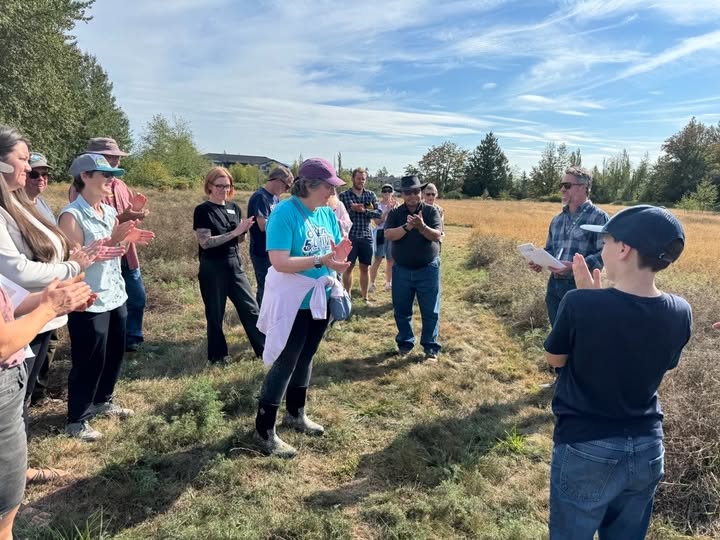
On Friday, September 4, Parent to Parent advocates met with U.S. Representative Rick Larsen to discuss options for restoring or supplementing the lost state funding through federal channels. Rep. Larsen represents Washington's 2nd Congressional District, which includes Bellingham and all of Whatcom County. His office has been an active participant in conversations about disability services and federal funding streams that flow to programs like Parent to Parent.
The meeting reflects a broader advocacy strategy: when state funding is cut, programs often look to federal sources, including grants through the Administration for Community Living and related agencies, to fill the gap. Whether that approach will succeed in this case depends partly on the federal budget environment, which has itself been uncertain in recent years.
Advocates are also urging the Washington State Legislature to restore the funding in the next state budget cycle. The legislature will begin its 2027 session in January, and disability services funding will be one of many contested line items as lawmakers work through competing priorities in a tight fiscal environment.
How Whatcom County Families Can Get Involved
Families who rely on Parent to Parent services, or who want to support the program's advocacy efforts, can contact the ARC of Whatcom County, which connects families to local disability support resources, or reach out directly to the statewide Parent to Parent of Washington organization. The program accepts volunteers who want to train as peer support parents, and donations help sustain services when public funding falls short.
For families navigating the disability services system in Whatcom County, the cut is a reminder of how dependent community-based support networks are on public funding decisions made far from the people they serve. The 1,800 families that Parent to Parent reached in Whatcom County last year are not an abstraction; they are neighbors, classmates, and community members whose daily lives are shaped by whether this kind of support is available. For more on how state and county budget pressures are playing out locally, recent reporting on the Whatcom County budget covers the broader fiscal picture.