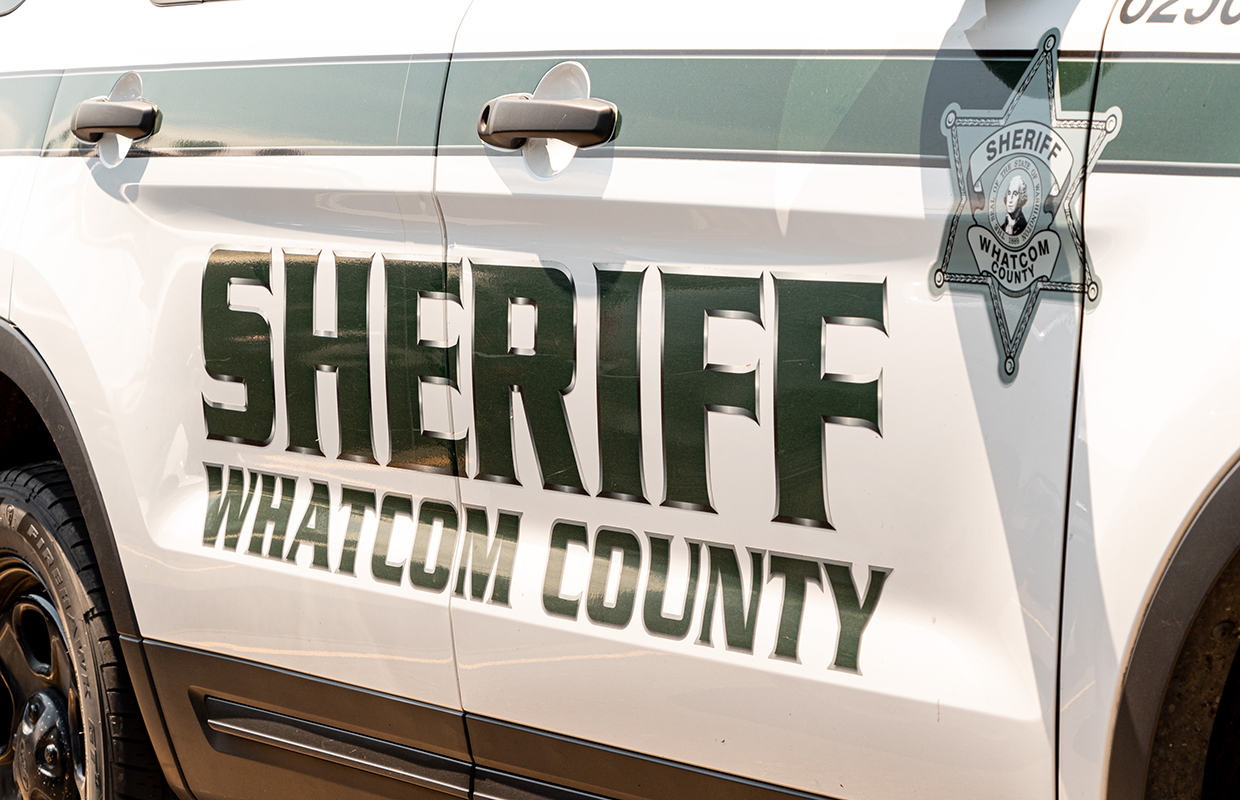
Moving into a new home in Whatcom County can mean inheriting more than just square footage and a yard. Previous owners sometimes leave behind old paint cans in the garage, pesticides in the garden shed, or rechargeable batteries in the utility room. Handling those materials carelessly can create real risks, but Whatcom County offers a straightforward solution: the Disposal of Toxics (DOT) facility, which accepts a wide range of household hazardous materials for safe, proper disposal.
What Counts as Hazardous Waste
The list of materials accepted at the county's DOT facility is broader than most residents realize. Common items include latex and oil-based paints, stains and varnishes, household cleaning chemicals, pesticides and herbicides, fertilizers with chemical additives, automotive fluids like motor oil and antifreeze, fluorescent light bulbs, and rechargeable batteries of all types. Many of these products remain chemically active for years, meaning a can of weed killer left in a crawlspace since the 1990s can still pose a hazard to children, pets, and groundwater if it leaks or is thrown in the trash.
Rechargeable batteries are a growing concern in particular. Lithium-ion batteries, found in everything from laptops to power tools to e-bikes, can catch fire if punctured or improperly discarded. The National Fire Protection Association has documented an increase in fires traced to damaged or poorly stored lithium batteries, making proper drop-off more important than ever for households upgrading their electronics.
How the DOT Facility Works
Whatcom County's DOT program is designed to be accessible. Residents can bring accepted materials during facility operating hours, and staff guide visitors through what can and cannot be received on-site. There is no cost to county residents for most standard household hazardous waste drop-offs. The county's full list of accepted items, current hours, and location details are available at whatcomcounty.us/HHW.
For new homeowners, a walk-through of the property specifically looking for legacy chemicals is worth doing before children or pets have access to storage areas. Check under sinks, in garages, in detached sheds, and in crawlspaces. Even products labeled as harmless garden supplies can contain concentrated chemicals that require special handling.
The U.S. Environmental Protection Agency estimates that the average American household generates about four pounds of hazardous waste per year, and that collectively American homes hold more than 100 million gallons of paint at any given time. Much of it sits forgotten in garages and storage rooms, slowly degrading and posing risks to families and the environment.
Why Proper Disposal Matters for Whatcom County
Whatcom County sits on a rich network of waterways, including the Nooksack River system, Lake Whatcom, and dozens of smaller streams that drain to Bellingham Bay and Puget Sound. Lake Whatcom in particular serves as the primary drinking water source for roughly 100,000 residents in Bellingham and surrounding areas. Improper disposal of chemicals, whether poured down a drain, dumped in a backyard, or tossed in the regular trash, can work its way into that system.
The Washington State Department of Ecology tracks hazardous waste generators and oversees cleanup of contaminated sites across the state. County-level collection programs like Whatcom's DOT facility are a frontline tool in keeping chemicals out of waterways before they become costly remediation problems.
Local real estate activity also makes this issue more relevant right now. As homes change hands across Bellingham, Ferndale, Lynden, Blaine, and other Whatcom County communities, new owners may not know what the previous occupants left behind. A quick call or visit to the DOT facility can resolve the problem without any legal or environmental risk to the new homeowner.
What to Do Before Your Next Drop-Off
A few practical steps can make the process smoother. Keep containers in their original packaging when possible so staff can identify contents quickly. If a container has leaked, seal it in a plastic bag before transport. Do not mix different chemicals together, and do not transport materials in the passenger compartment of a vehicle if containers are damaged or unsealed.
Some materials require special handling even at the DOT facility. Propane tanks, for instance, must be empty and the valve removed before drop-off. Explosives, radioactive materials, and some industrial chemicals are not accepted at the standard household drop-off and require separate arrangements through the county or state hazardous waste program.
For residents unsure whether a specific product qualifies, the county's hazardous waste page at whatcomcounty.us/HHW includes guidance, or staff can be reached by phone for questions before a visit. Taking a few minutes to sort out what you have found in a newly purchased home and making a single trip to the DOT facility is one of the simplest ways new Whatcom County residents can protect their family and their neighborhood's water quality from day one.