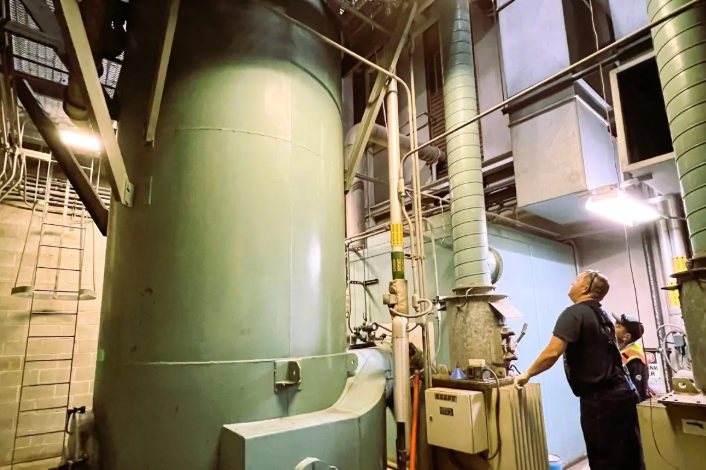
The Bellingham City Council has authorized a major upgrade to the air pollution control systems at the Post Point Wastewater Treatment Plant in Fairhaven, signing off on a contract with Walsh Construction Company to install new incinerator units at the facility. The vote, taken unanimously with one absence at the council's August 10 meeting, sets in motion a project that has been years in the making following regulatory action against the plant.
Total service fees for the project are estimated at $40 million. Design and preconstruction work is expected to continue into 2027, with physical construction beginning that year and extending over the following three and a half years. When complete, the upgrades will give the plant significantly cleaner emissions from its sludge incineration process, bringing it into compliance with air quality standards set by regional regulators.
The History Behind the Upgrade
The Post Point plant is Bellingham's primary wastewater treatment facility, processing sewage from homes and businesses across the city and treating it before discharge into Bellingham Bay. The plant's incinerators burn the solid sludge left over from the treatment process, a common method at large treatment facilities. However, those incinerators became the source of regulatory trouble in 2024.
The Northwest Clean Air Agency cited Post Point for violating emissions regulations and missing required permits that year. The agency, which enforces air quality standards across northwest Washington counties including Whatcom, Skagit, and others, found that the plant's incinerator emissions exceeded allowable limits. The city and the agency reached a settlement late in 2025, with Bellingham agreeing to install upgraded air pollution control equipment. The city did not admit any wrongdoing under the terms of the settlement.
That settlement set the deadline and the obligation, and the council's August 10 vote represents the formal start of the construction contracting process. Council member Michael Lilliquist noted during the meeting that Walsh Construction Company submitted the lowest contractor's fee proposal and received the highest combined score from the city's review committee, making it the clear choice from both a financial and a qualifications standpoint.
What the New Equipment Will Do
The specific equipment being installed will replace or supplement the plant's current air pollution control systems, which include a Wet Electrostatic Precipitator unit. The new incinerator units will be designed to capture and neutralize pollutants before they are released into the air above the Fairhaven neighborhood and surrounding waterfront. Wastewater plant emissions are regulated because incomplete combustion of organic material can release fine particulate matter, carbon monoxide, and other compounds that affect air quality.
Fairhaven is a historic neighborhood at the southern end of Bellingham, bounded by Bellingham Bay to the west and home to the Fairhaven Village retail district, the Fairhaven ferry terminal for Alaska Marine Highway and Victoria Express service, and a dense residential area. Post Point sits along the shoreline just north of the Fairhaven neighborhood core. Neighbors have periodically raised odor and air quality concerns about the plant over the years, and the emissions upgrade addresses the regulatory side of those concerns even if odor management involves separate systems.
Timeline and What Residents Should Expect
The long construction timeline, spanning roughly three and a half years once building begins in 2027, means the project will be a presence at the Post Point site well into the 2030s. During active construction, residents near the plant and users of the South Bay Trail and Taylor Dock waterfront area may notice increased contractor activity along the shoreline.
The city has not yet detailed any planned construction-period impacts to plant operations or to adjacent public spaces. Large infrastructure projects at operating wastewater facilities typically require careful sequencing to keep treatment processes running continuously while new equipment is built and integrated, a logistical challenge that adds complexity and cost to the work.
For context on prior coverage of this project and the Northwest Clean Air Agency's role in Whatcom County environmental oversight, readers can visit the Northwest Clean Air Agency directly. The City of Bellingham will post updates on the contract and construction progress through its official communications channels. Earlier coverage of how the city reached this point, including the original 2024 citation and 2025 settlement, provides useful background for residents following the issue, and additional details on the council vote and contractor selection are expected to appear in the city's public meeting records.
The $40 million investment is among the larger single infrastructure expenditures the city has committed to in recent years, reflecting both the regulatory necessity of the upgrade and the scale of work required to modernize aging equipment at a facility that handles wastewater for the entire city of Bellingham. More information on the project timeline will emerge as design work progresses through 2026 and 2027.