Between 2021 and 2025, impairment played a role in 62 percent of traffic fatalities in Whatcom County. That is 50 lives lost over five years to crashes involving drivers who, by their own condition, should not have been behind the wheel. Speeding contributed to a third of deaths. Distraction played a role in a quarter. Lane departures were a factor in 36 percent of fatal crashes. These numbers, drawn from Washington State Traffic Safety Commission data cited in a new community voices essay published by Salish Current, point to a pattern that local writer and public health epidemiologist Leah Wainman argues is not inevitable. It is, she says, a predictable consequence of a transportation system that offers most residents only one option: drive.
Washington's Traffic Safety Data
Washington State has been grappling with a dramatic rise in traffic fatalities over the past decade. According to the Washington State Traffic Safety Commission, the state saw an 85 percent increase in traffic fatalities and a 78 percent increase in serious injuries between 2013 and 2023. The commission's 2024 report lays out a vision for zero roadway deaths, which it frames around two core principles: designing transportation systems so that human mistakes do not turn deadly, and ensuring that the benefits and burdens of that system are distributed equitably.
The commission's report specifically identifies exposure, meaning the number of miles driven, as a central variable in traffic risk. More vehicle miles traveled means more opportunities for crashes. By extension, reducing the number of cars on the road, whether through remote work, land use changes, or expanded public transit, reduces the raw number of crashes that can occur in the first place.
For decades, the report notes, race, ethnicity, language, immigration status, income, and wealth have shaped which communities bear the greatest traffic risk and which benefit from the greatest protections. Lower-income and minority communities are often located along higher-speed arterials with fewer pedestrian accommodations, and residents without access to a reliable vehicle are disproportionately exposed to the dangers of walking and biking in environments designed primarily for cars.
The WTA Connection
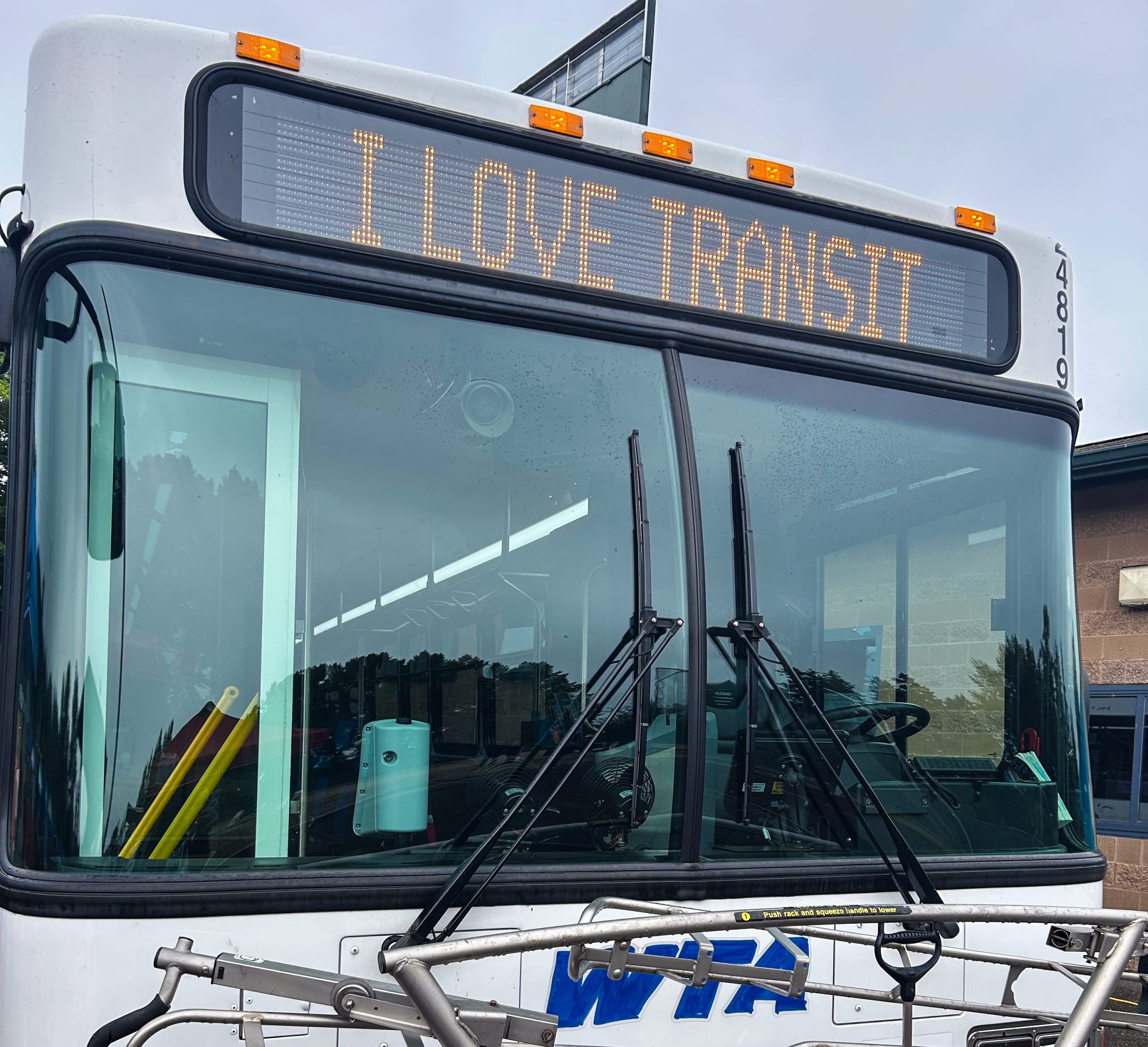
Wainman's essay pivots from statewide data to a specific local action point: the Whatcom Transportation Authority. Under a new state law that took effect January 1, 2026, transit agencies across Washington can now add two community members to their governing boards. One seat is designated for someone who relies on fixed-route bus service for daily transportation. The second goes to a representative of a group that advocates for or supports transit riders, such as paratransit users.
The law also requires that transit board meetings be held in locations accessible by the very bus routes the agency operates. The intent is to bring the perspective of actual riders, the people who depend on transit because they cannot or do not drive, into the room where decisions about service, fares, and priorities are made.
WTA is eligible to implement these board additions but has not yet done so, according to Wainman. That gap matters, she argues, because the systemic knowledge of someone who navigates Bellingham, Ferndale, Lynden, or other parts of Whatcom County by bus every day is precisely the kind of input that shapes policies capable of actually increasing ridership. Higher ridership means fewer cars on the road. Fewer cars means fewer crashes. Fewer crashes means fewer deaths.
What Expanded Transit Could Mean
WTA serves Bellingham and much of Whatcom County with fixed-route bus service, as well as paratransit options for riders with disabilities. The agency saw fare increases take effect September 1, 2026, with base fares doubling to $2. That change, combined with the broader question of whether WTA's routes and scheduling match where riders actually need to go, makes the composition of the agency's governing board more consequential than it might appear at first glance.
A board member who depends on the bus to get to work, to medical appointments, or to the grocery store carries experiential knowledge that a board member who drives everywhere simply cannot replicate. That knowledge shapes questions like: Is this route running at the right times? Does the stop location require a dangerous street crossing? Is the transfer connection timed well enough that a rider can actually make it to work on time?
Those design decisions, multiplied across hundreds of riders and dozens of routes, determine whether transit is a viable alternative to driving for more Whatcom County residents. For residents who cannot drive, transit is not an alternative. It is the only option. For residents who could drive but choose not to, the quality and convenience of transit determines whether that choice is practical.
How to Get Involved
WTA's governing board is publicly accessible. Current board members and their contact information are posted at ridewta.com/board-members. The next scheduled board meeting is Thursday, September 3, at WTA's Bellingham office. Members of the public can attend board meetings and provide comment during designated public input periods.
Wainman encourages Whatcom County residents who care about traffic safety, transportation equity, or public health to show up and make their voices heard, whether by attending a board meeting, contacting board members directly, or advocating for the community seat additions that state law now permits. The connection she draws, from impaired driving deaths to transit board composition, is not intuitive at first glance. But the logic holds: every person who can safely get where they need to go without driving is one fewer potential crash waiting to happen. For more background on WTA fare changes and what they mean for riders, see earlier coverage of the September 1 fare increase and what riders need to know.