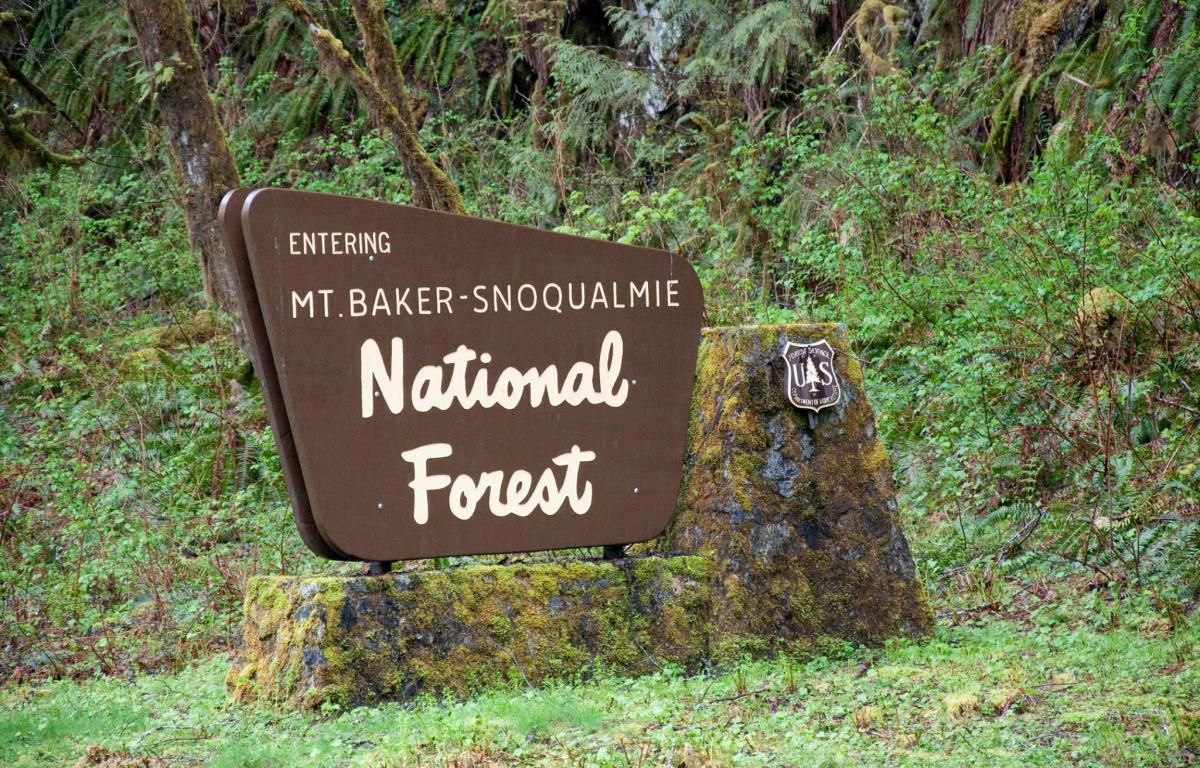
The U.S. Forest Service has temporarily banned all recreational target shooting within the Mount Baker-Snoqualmie National Forest, citing very high fire danger, dry forest conditions, and what agency officials described as severe regional resource constraints. The ban was announced Saturday, August 15, and affects the entire national forest, which stretches across much of the Cascade Range in Whatcom, Skagit, Snohomish, and King counties.
What Triggered the Ban
The announcement came one day after the Washington State Department of Natural Resources confirmed that a wildfire near Darrington in Snohomish County was directly caused by recreational target shooting. The Prairie Mountain Fire, touched off by shooting in dry forest conditions, has already cost more than $3 million in suppression costs for that single incident. That figure, attributed to a single avoidable ignition source, helped prompt swift action from the Forest Service to prevent similar events across the broader region before the high-risk portion of the summer fire season progresses further.
The ban on target shooting adds to an existing campfire prohibition already in effect across Mt. Baker-Snoqualmie National Forest. That earlier ban covers charcoal, briquette, and pellet fires as well as any other open flames within the forest boundary. Pressurized liquid or gas stoves equipped with a shut-off valve are still permitted in areas away from flammable vegetation, providing a reasonable option for backpackers and campers who need to cook but cannot maintain a wood or charcoal fire. The combined effect of both bans reflects the fire weather conditions across the region this summer, with dry fuel loads and elevated temperatures creating conditions that fire managers consider extremely dangerous for any ignition source.
Who Is Still Allowed to Shoot
The target shooting ban includes an important exception: hunting with a valid Washington State hunting license remains permitted. The restriction is specifically aimed at recreational target shooting, which includes plinking, rifle sighting, casual pistol shooting, and informal shooting on forest lands outside of designated shooting ranges. The distinction matters because hunting season brings large numbers of users into the national forest with firearms, and excluding them from the ban reflects both the different risk profile of hunting activity and the practical enforcement reality of managing an active hunting season.
Anyone planning to head into the forest for hunting activity should carry their valid state hunting license to avoid any confusion with enforcement personnel who may be patrolling for compliance with the target shooting ban. Target shooting on designated ranges operated under permit and equipped with appropriate fire prevention infrastructure may also be exempt, though visitors should confirm the status of any specific range with the Forest Service or the relevant ranger district office before heading out.
Fire Conditions Across Whatcom County This Summer
The shooting ban fits into a broader picture of elevated fire risk that has shaped outdoor recreation and land management across Whatcom County and the North Cascades throughout the summer of 2026. The Washington State Department of Ecology declared a drought for Whatcom County in April, and the U.S. Drought Monitor has indicated that most of the county has been abnormally dry for an extended period. Snowpack in the Cascades came in below average this winter, reducing the soil moisture and streamflow buffers that typically moderate fire risk through July in a normal year.
A Stage 2 burn ban has been in effect across Whatcom County since mid-July, prohibiting all open burning including residential yard debris and agricultural burning. The DNR has rated fire danger in the Cascades at Very High. In the eastern part of Whatcom County, the Luna and Ptarmigan fires near Ross Lake have been burning in remote terrain managed primarily by North Cascades National Park, with no evacuation orders for county residents but active monitoring by incident management teams. Those fires have contributed to smoky air quality events throughout the summer, affecting communities across the county on days when wind patterns carry smoke west toward Bellingham and the lowlands.
The combination of dry conditions, low humidity, and warm temperatures has made any ignition source, including target shooting, significantly more dangerous than in a typical summer. Metal fragments from bullets striking rocks can throw sparks. Unjacketed lead bullets striking a hard surface can generate enough heat to ignite dry grass or duff in drought conditions. Paper or cardboard targets placed against vegetation can catch fire. These risks are present even in normal conditions but are substantially amplified during drought years when ground-level fuel moisture reaches critically low levels.
When the Ban Might End
The Forest Service has not specified an end date for the target shooting prohibition, linking it explicitly to ongoing fire danger and resource conditions rather than a fixed calendar date. Conditions will need to improve meaningfully before the agency lifts the restriction, which means the ban could extend well into fall depending on precipitation totals and cooling trends in September and October. Historically, western Cascade fire seasons have moderated with the arrival of consistent fall rain, but the timing of that transition varies significantly from year to year.
Anyone planning recreational activities in Mt. Baker-Snoqualmie National Forest this summer should check current restrictions before heading out, as conditions and orders can change quickly in either direction. The Forest Service posts current fire restrictions and closures on its website and through local ranger district offices. The Mount Baker Ranger District, which covers the Whatcom County portion of the national forest and includes the most heavily used recreation areas for local residents, can be reached for specific questions about current conditions, closures, or the status of particular trails and campgrounds.
For information on fire conditions and emergency alerts in Whatcom County, residents can sign up for alerts at WhatcomReady.org. For more on the fire situation in eastern Whatcom County and the Luna Fire, see earlier coverage of the North Cascades wildfire situation that has been developing since earlier this month.