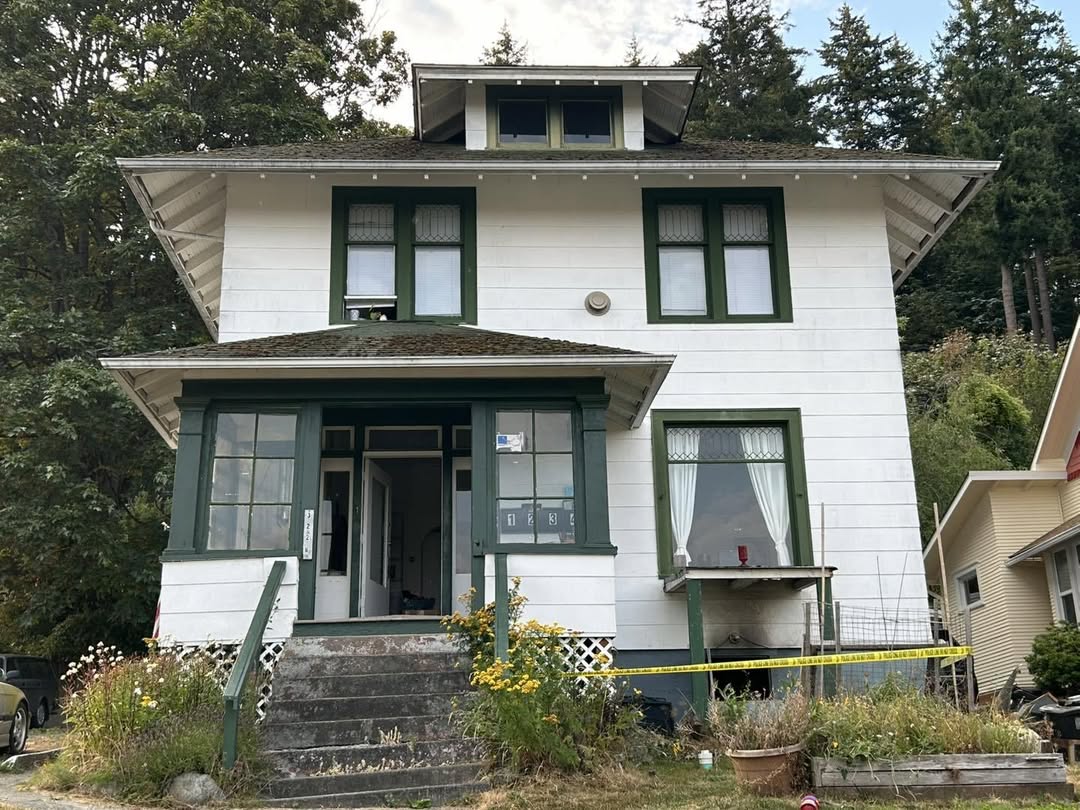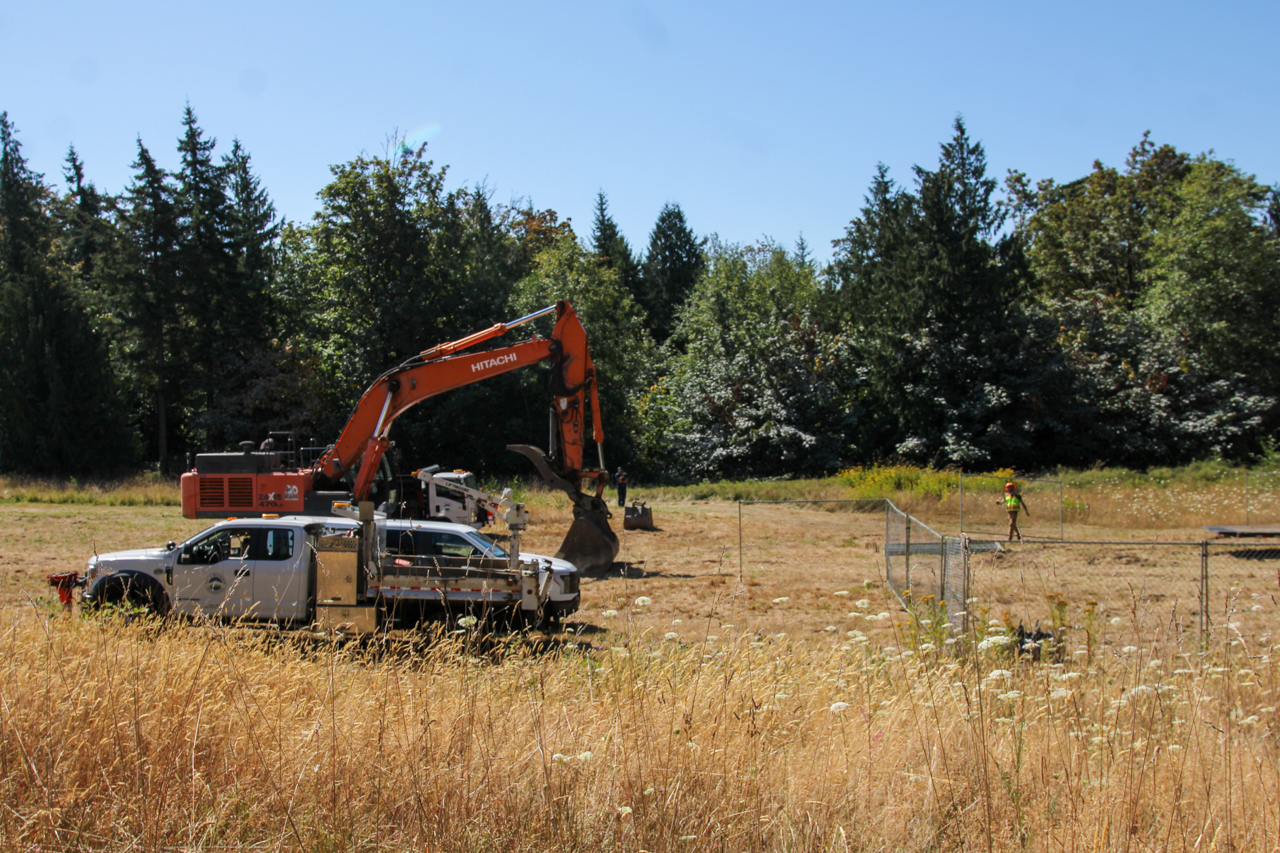
Cleanup operations are underway at the site of a longstanding encampment in Bellingham's King Mountain neighborhood after residents received notices from the city to vacate the approximately 40-acre property during the week of August 3. Bellingham Public Works, police officers, and outreach workers from multiple nonprofits have spent recent weeks working through the site, and the city has contracted with Ram Construction to begin building access roads in preparation for logging operations intended to prevent people from resettling there.
The King Mountain encampment had been described in prior reporting as one of Bellingham's oldest and largest established encampments. Located on a wooded hillside property, it had sheltered dozens of residents over the years and had become a focal point for debates about how the city manages its homeless population, particularly amid ongoing shortages of shelter beds and day services.
How the Vacation Unfolded
Bellingham Police Lt. Claudia Murphy said no one was arrested during the vacation process. Officers and Public Works staff entered the property on August 10 and 11 with search warrants and moved methodically through each structure and tent, announcing themselves and checking for occupants, domestic animals, and hazardous conditions before removing structures.
"On Aug. 10 and 11 BPD officers and Public Works entered the properties with search warrants in hand. Slowly and methodically the officers made their way to each structure and tent, announced themselves and entered to ensure no humans or domestic animals were inside," Murphy said in a statement to reporters. "When the structure or tent was found empty, Public Works staff took the structure down. There were less than 10 people remaining on the property the morning of the 10th."
Officers recovered and impounded several weapons during the process, including rifles and a sword. Murphy emphasized the deliberate and careful approach taken by city personnel to ensure the site was safe and free of living things before demolition of structures began.
Outreach Before and During the Vacation
The vacation did not happen overnight. Brittany Hargrove, Chief Program Officer of Lighthouse Mission Ministries, said her organization had been building relationships with encampment residents for weeks before the vacation notices went out. "It's not a situation where you can just go in and offer resources and services a lot of the time and have folks take you up on that," Hargrove said. "It really is kind of a slow-churn process."
The Opportunity Council's Homeless Outreach Team also engaged with individuals from the encampment over an extended period and said in a statement that they will continue providing transportation to Base Camp and maintaining connections with those who have been displaced. Base Camp, located in north Bellingham, is one of the primary low-barrier shelter resources in the city and serves as a destination for many people transitioning out of encampments.
The city's approach, combining advance outreach, formal vacation notices, a methodical search process, and immediate structural demolition, reflects a model that Bellingham has applied at previous encampment sites. Advocates and critics have differing views on whether the model adequately supports displaced individuals or primarily moves the problem from one location to another without resolving underlying shelter shortages.
What the Logging Plan Means
The city's decision to contract for logging operations at the site goes beyond standard cleanup. Logging the heavily wooded 40-acre property would dramatically alter the physical conditions that made it attractive as an encampment location, removing the tree canopy that provided cover, privacy, and shelter from weather. Public Works is currently building access roads to prepare for those logging operations.
Ram Construction has been contracted to assist with the access road work, according to Lt. Murphy. A timeline for the logging itself has not been publicly released, but the site preparation work underway suggests it is expected to proceed in the near term rather than as a long-delayed future plan.
Whether logging will effectively prevent future encampment activity at the site is an open question. Encampments tend to re-form in locations where there is cover, proximity to services, and limited regular enforcement presence. Removing the tree canopy changes the first condition but not the others.
The Broader Shelter Picture in Bellingham
The King Mountain clearance comes at a complicated moment for Bellingham's homeless services infrastructure. This same week, the city announced it was canceling the purchase of a Roosevelt neighborhood property that was intended to serve as a day shelter, after the nonprofit set to operate the center withdrew from contract negotiations. That setback, combined with the approaching closure of the Bellingham Public Library for a multi-year renovation, is creating real pressure on the city to find alternative daytime resources for unhoused residents before multiple existing options close simultaneously.
Residents who want to follow the city's homelessness services planning can track updates through the City of Bellingham's website and the Whatcom County Coalition to End Homelessness, which meets regularly and receives briefings from both city and county agencies. City council agendas, posted online before each meeting, frequently include homelessness-related items. For background on related housing and shelter debates, earlier coverage of Whatcom County's approach to public safety infrastructure provides useful context on the intersection of housing, behavioral health, and the justice system in the county.