The Whatcom County Council is scheduled to take a significant vote Tuesday, August 11, that could clear the way for the design team working on the new Whatcom County Jail to move forward with blueprints, permits, and site preparation. The council will consider accepting the programming document for the new facility, which establishes its size, bed count, and core layout parameters. If approved, it becomes the framework the design-build team will use to generate actual construction plans. The vote represents one of the most consequential procedural steps the project has reached since the county selected the Hannegan Road site earlier in 2026.
What the Programming Document Establishes
In construction terms, "programming" refers to the detailed outline of what a building needs to contain and how it will function, before architectural drawings are created. It defines the number and type of rooms, the relationships between functional areas, the flow of people through the facility, and the operational standards the finished building must meet. For the new jail, the programming document currently calls for a facility of approximately 150,000 square feet with between 450 and 460 beds. That figure is substantially smaller than the original projection of 227,000 square feet, a reduction driven primarily by cost constraints as the county worked to make the project financially feasible without exceeding what the criminal justice sales tax and other funding sources could support.
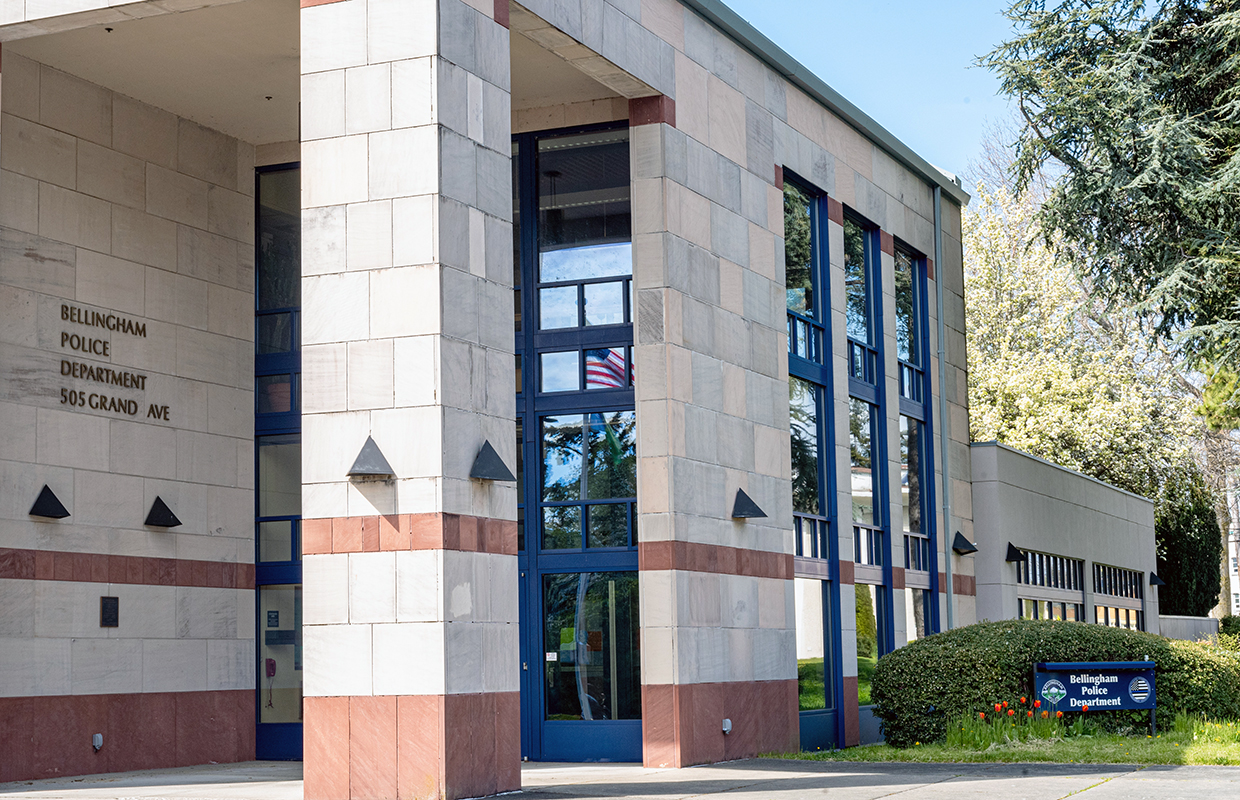
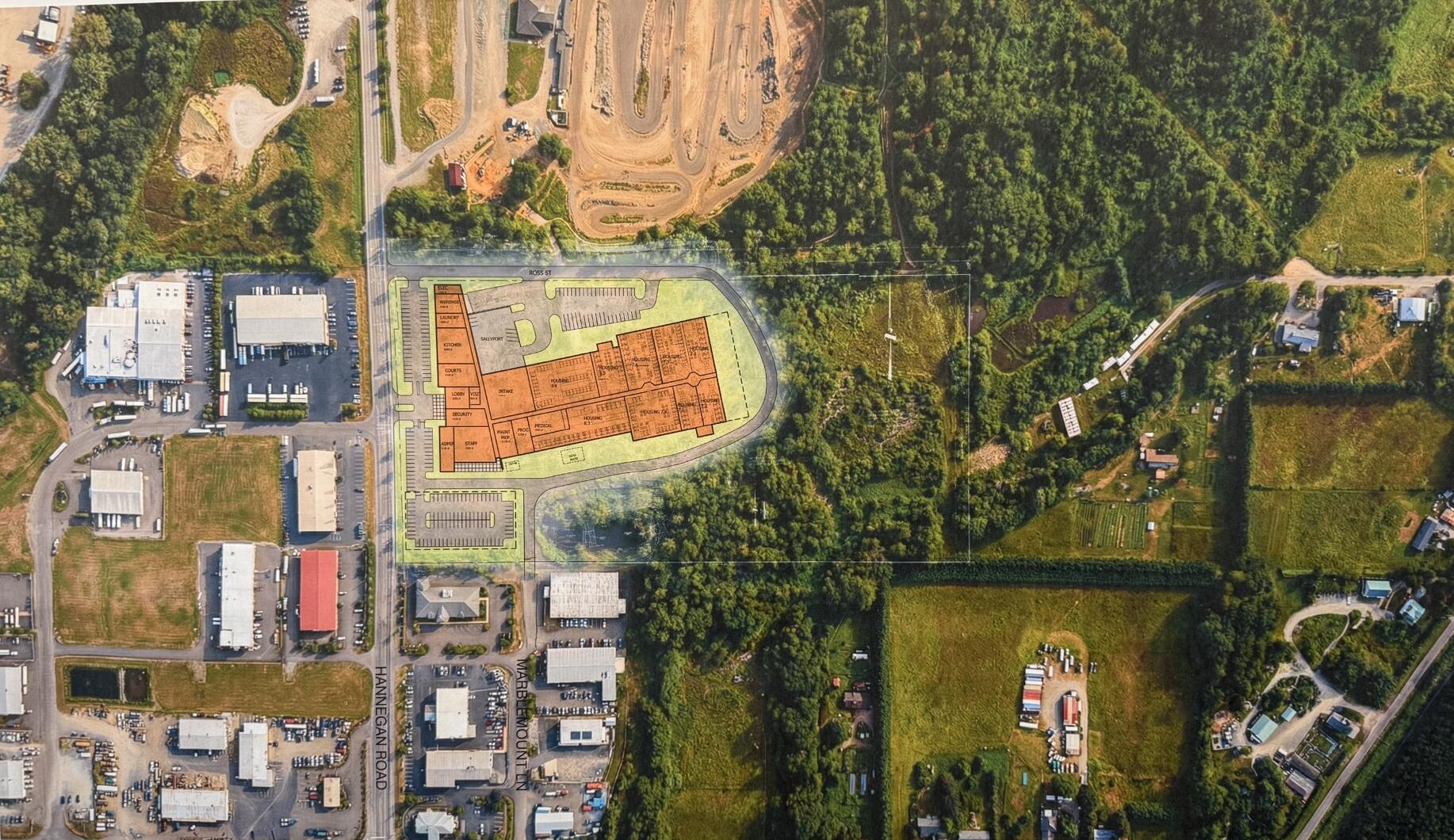
The existing Whatcom County Jail on Grand Avenue in Bellingham covers roughly 90,000 square feet. The proposed replacement would be nearly two-thirds larger, adding significant capacity to a facility that has long been described by county officials as overcrowded, outdated, and inadequate for the needs of a modern corrections and public safety system. The Grand Avenue facility has faced persistent criticism for its aging infrastructure, limited programming space for inmates, and inability to accommodate the current inmate population safely and appropriately. The new jail is slated to be built at 4160 Hannegan Road, a 19-acre site the county entered an agreement to purchase in early 2026.
Council members have debated the jail's size extensively in recent months, with some pushing for a larger facility to accommodate projected population growth and others urging restraint to control long-term costs. A larger facility means greater capital expense to build and higher ongoing costs to staff and operate, while a smaller facility risks becoming overcrowded again before the end of its useful life if the county's population and criminal justice caseloads grow as projected. The programming document that comes before the council Tuesday represents the current compromise position, though officials have noted it can still be adjusted ahead of construction and is not considered a final design document.
The most recent design revision, presented publicly at a community engagement workshop, also identified "deferred scope items": facility features ranked as high priority but cut from the current budget that could potentially be added back in later phases if additional funding becomes available. That list of deferred items reflects the tension between what planners believe the facility needs and what the current funding envelope can support.
How Tuesday's Meetings Work
Much of the detailed discussion about the jail programming will take place during the council's criminal justice and public safety committee meeting, which begins at 10 a.m. Tuesday at the Whatcom County Courthouse. That committee session is where council members, county staff, and the design-build team are expected to work through technical questions, cost considerations, and any outstanding concerns before the item moves to a floor vote. A potential final vote is scheduled for the council's regular meeting at 6 p.m. the same day. Members of the public can attend both meetings and have the opportunity to provide comment during the regular session, giving residents a direct avenue to weigh in before the vote takes place.
The council will also consider an ordinance establishing the initial budget for the county's criminal justice sales tax fund at approximately $3.6 million. The council approved a one-tenth of one percent sales tax in April 2026, and it began collecting revenue in July. Because revenue will only be collected for half of the current year, the initial budget reflects roughly half of the estimated $7 million the tax is expected to generate annually at full pace. The funds are designated for health and food services at the jail, lease payments for the new sheriff's office, and labor costs related to criminal justice services. Setting the initial budget formalizes how those revenues will be allocated and creates the accounting framework for tracking expenditures against the tax proceeds going forward.
Why This Vote Matters
Accepting the programming document is a functional prerequisite for the design-build team to proceed with actual architectural and engineering work. Until the council formally approves the parameters, the team cannot finalize the drawings, apply for building permits, or begin the detailed site preparation work at Hannegan Road. Each of those steps feeds into the next, so a delay in the programming approval creates a cascade of downstream delays across the entire project schedule. Delay at this stage could push back the construction start, which is already tentatively set for sometime in 2027 with no specific date yet announced.
The new jail project has been in various stages of planning and debate for several years, reflecting the difficulty of building consensus around a large, expensive, and politically sensitive public facility. Earlier discussions included debates over the jail's location, its size relative to alternatives like expanded diversion and mental health programs, and the long-term costs of staffing and operating a larger facility. Critics of a large jail have argued that investment in mental health services, substance use treatment, and community diversion programs would reduce the jail population more sustainably than adding capacity. Supporters of the current plan argue that the existing facility has genuine safety and operational deficiencies that cannot wait while longer-term alternatives are developed.
For residents who want to follow Tuesday's proceedings or provide public comment, the Whatcom County Council's full meeting schedule and agenda documents are posted at whatcomcounty.us. The Justice Project page on the county website also carries the latest updates on the planning process, including design documents and community engagement materials. For earlier coverage of the jail site selection and design discussions, see our previous report on the county choosing Hannegan Road as the new jail site.