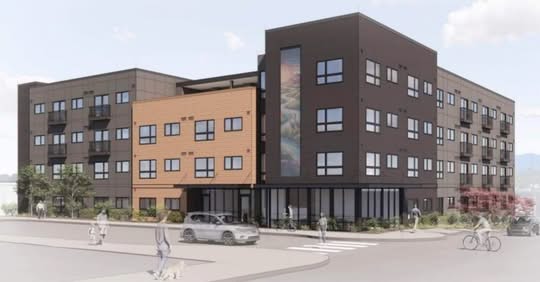
A 64-unit affordable housing development in Whatcom County has received financial support through the county's Economic Development Investment program, officials announced this week. The project represents the latest commitment from the county's ongoing effort to expand housing options for lower-income residents in a region where housing costs have climbed steadily over the past decade.
The Whatcom County Economic Development Investment program, commonly referred to as the EDI program, directs public dollars toward projects and initiatives intended to strengthen the local economy and improve quality of life. Affordable housing has become an increasingly prominent priority within that framework as the gap between housing supply and demand has widened across Whatcom County.
Background on the Housing Challenge
Whatcom County's housing affordability crisis has been building for years. A point-in-time count conducted earlier in 2026 identified approximately 840 unhoused individuals in the county, and housing advocates have estimated a funding gap of roughly $13 million between what is available for homelessness services and what would be needed to meet current demand.
Rising construction costs, limited developable land near employment centers, and population growth driven in part by proximity to both Seattle and Vancouver, B.C., have combined to push rents and home prices beyond the reach of many county residents. The median wage for service sector and agricultural workers in Whatcom County often falls far short of what is needed to afford market-rate housing in Bellingham or the surrounding communities.
The Whatcom County government has responded with a mix of policy tools and direct funding, including the EDI program, which has supported projects ranging from job training infrastructure to community health initiatives. Directing EDI dollars toward affordable housing is consistent with the county's broader strategy of treating stable housing as an economic development issue, not just a social services issue.
What 64 Units Means for the County
At 64 units, the new development is a meaningful addition to the county's affordable housing stock, though advocates acknowledge it is far from enough on its own. Affordable housing developments of this scale typically serve households earning between 30 and 80 percent of the area median income, depending on the specific funding mechanisms and covenants attached to the project.
Projects funded through programs like the EDI often combine multiple financing sources, including federal Low Income Housing Tax Credits, state housing trust fund grants, and local contributions. That layered financing structure is standard practice in affordable housing development and allows a relatively modest public investment to leverage significantly larger amounts of private capital.
The Whatcom County Council has signaled that housing will remain a top budget priority heading into the 2027 budget cycle. The council has also been weighing decisions about the design and programming of a planned new county jail, with discussions about whether to include reentry and transitional services that could connect formerly incarcerated individuals with stable housing.
What Comes Next
Specific details about the developer, location, and construction timeline for the 64-unit project have not yet been released by the county. Residents interested in following the project's progress or in learning more about affordable housing resources in Whatcom County can contact the Whatcom County Planning and Development Services department or check the county's official news page for updates.
The Opportunity Council, a regional nonprofit that provides housing and social services across Whatcom and Skagit counties, is one of the key community partners in local affordable housing efforts. The organization operates multiple housing programs, including permanent supportive housing for individuals experiencing chronic homelessness, and has worked alongside the county on various EDI-supported initiatives.
For a closer look at how Whatcom County has been addressing homelessness and housing instability, recent coverage of the county's new jail planning provides useful context on how housing, reentry services, and public safety intersect in county government decision-making.