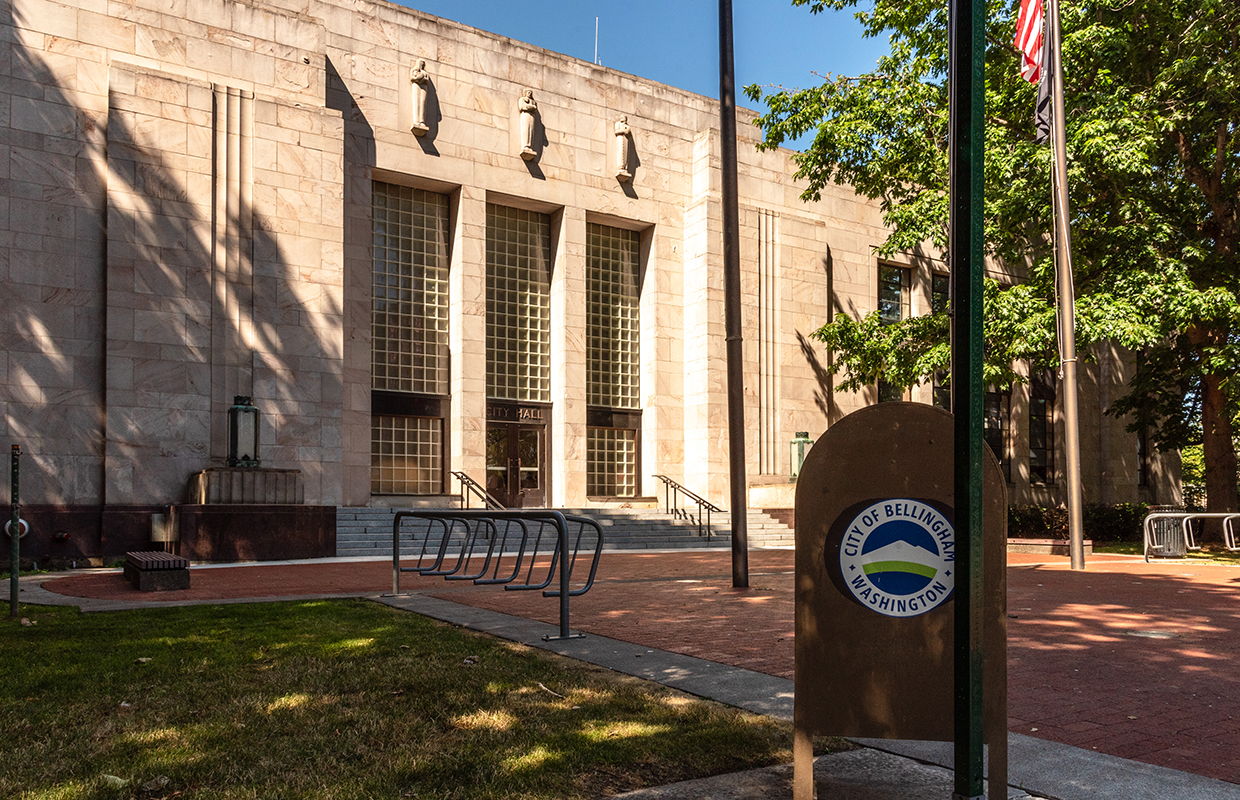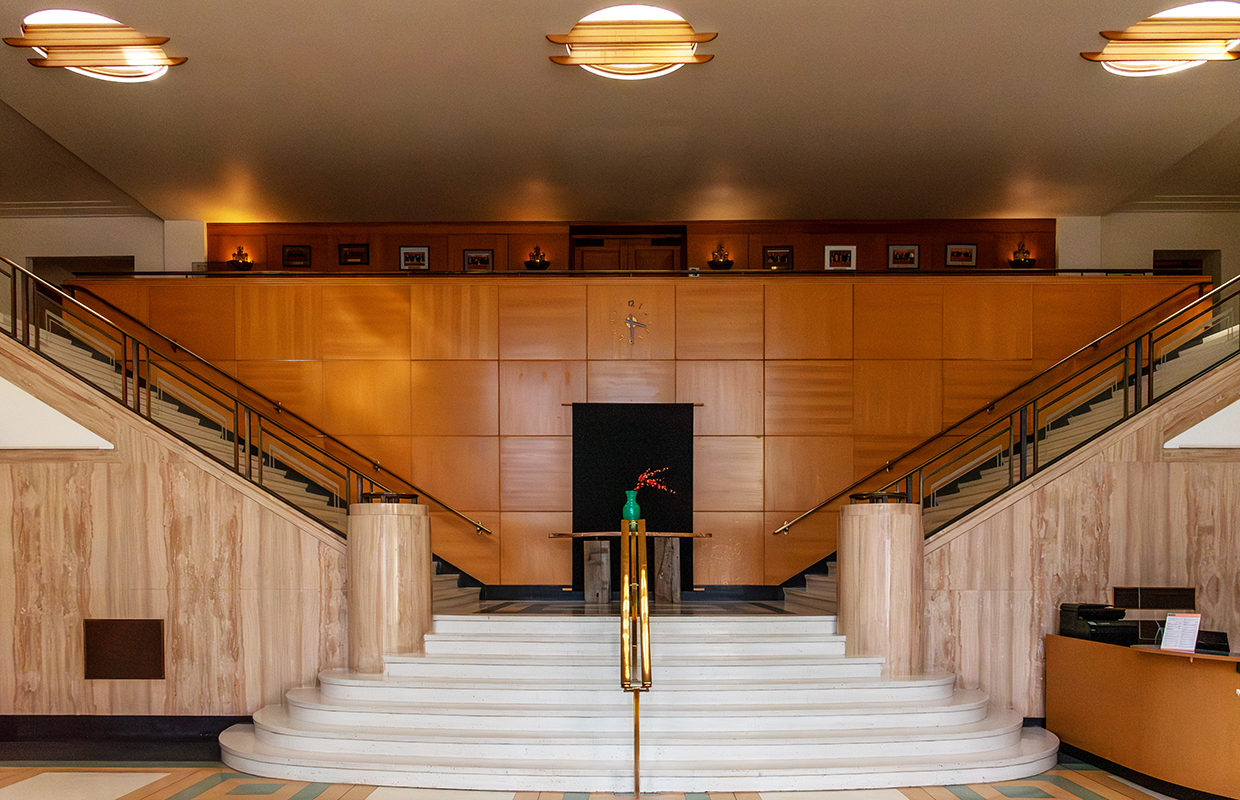
The Bellingham City Council took up a pair of affordable housing measures at its Monday, July 27 Committee of the Whole meeting, including an interim ordinance that would significantly expand where Movable Dwelling Units can be legally parked and occupied within city limits.
Movable Dwelling Units, or MDUs, include RVs, tiny homes on wheels, and similar structures. Under current Bellingham code, MDUs are permitted for residential use only within manufactured home communities. The proposed interim ordinance, brought forward by council member Jace Cotton, would allow MDUs in all residential zones across the city, not just in designated manufactured home parks.
What the Ordinance Would Change
The proposal is framed as both an affordable housing measure and an urban infill solution. MDUs can be placed on existing residential lots at relatively low cost, and for property owners who have usable space in a side yard, driveway, or rear lot, they represent a way to add a housing unit quickly without the permitting complexity and cost of building an accessory dwelling unit from the ground up.
For residents, MDUs can offer a lower-cost housing option compared to traditional rentals, particularly for people who already own an MDU or can acquire one affordably. The ordinance is designed to remove the current barrier that limits those units to manufactured home communities and to bring them into the mainstream of Bellingham's residential zoning framework.
Cotton's presentation to the committee highlighted the dual purpose: MDUs as homes for residents who need them, and MDUs as a cost-effective way for property owners to contribute housing units to the city's supply without major construction investment. Bellingham has been grappling with housing affordability and vacancy issues across multiple neighborhoods, and the council has been exploring a range of tools to add supply and reduce costs.
Concerns Raised by Council Members and Staff
The proposal drew questions from both council members and the City of Bellingham Planning and Community Development Department. The concerns raised fell into several categories. Fire safety was a significant one: older MDU models can have wiring issues that create fire risk, and modifications made by residents to units after purchase can exacerbate those problems. Inspecting a dispersed population of MDUs placed across all residential zones would be substantially more complicated than regulating units within designated manufactured home communities where there is already an established management and inspection structure.
Visual impact was another concern. Some council members raised questions about units being placed in locations visible to neighbors and the surrounding community, and whether standards for placement, screening, or appearance should be part of the ordinance. Workload for city staff was also cited: implementing the ordinance, handling permitting requests, and conducting inspections for MDUs citywide would require staff capacity that may not currently exist.
The committee did not vote on the ordinance at the July 27 meeting. The council will return to the issue at a later Committee of the Whole session after staff has had time to work through the regulatory questions raised during Monday's discussion.
Rental Price-Fixing Initiative Heads to Voters
The council's July 27 meeting also addressed a separate housing-related item: a community initiative that would prohibit algorithmic price-fixing in Bellingham's rental market. The council voted to place that initiative on the November ballot, deferring the question to voters rather than enacting or rejecting it directly.
Bellingham is also still seeking volunteers to write the official pro and con statements for the three local initiatives appearing on the city's November ballot. Residents interested in authoring a statement for or against any of the city's ballot measures can contact the city for information on how to apply.
The combination of the MDU ordinance discussion and the ballot referral on rental algorithm pricing reflects an active period of housing policy work at Bellingham City Hall. The city's housing challenges are well documented: a 2025 study found vacancy rates in areas including downtown Bellingham at unhealthy levels, and the council has been working through multiple approaches to add supply and improve affordability across different neighborhoods and income levels.
For context on one of the other housing tools the council has been pursuing, the city's third tiny home village, planned for the Irongate neighborhood, represents a different approach to the same underlying problem. Between that project, the MDU ordinance under discussion, and the upcoming ballot measures, housing is set to remain central to Bellingham's civic agenda through the rest of 2026. Residents can follow council proceedings and submit public comment through the City of Bellingham website.