Lawsuits stemming from decades of alleged abuse at Secret Harbor School, a now-closed residential group home for boys on Cypress Island north of Anacortes, are moving toward trial after a federal judge denied a petition by the school to delay proceedings. Attorney Darrel Cochran of PVCA Law in Tacoma, who represents 24 pending cases connected to the facility, is urging courts to set a trial date before 2027.
What Was Secret Harbor School
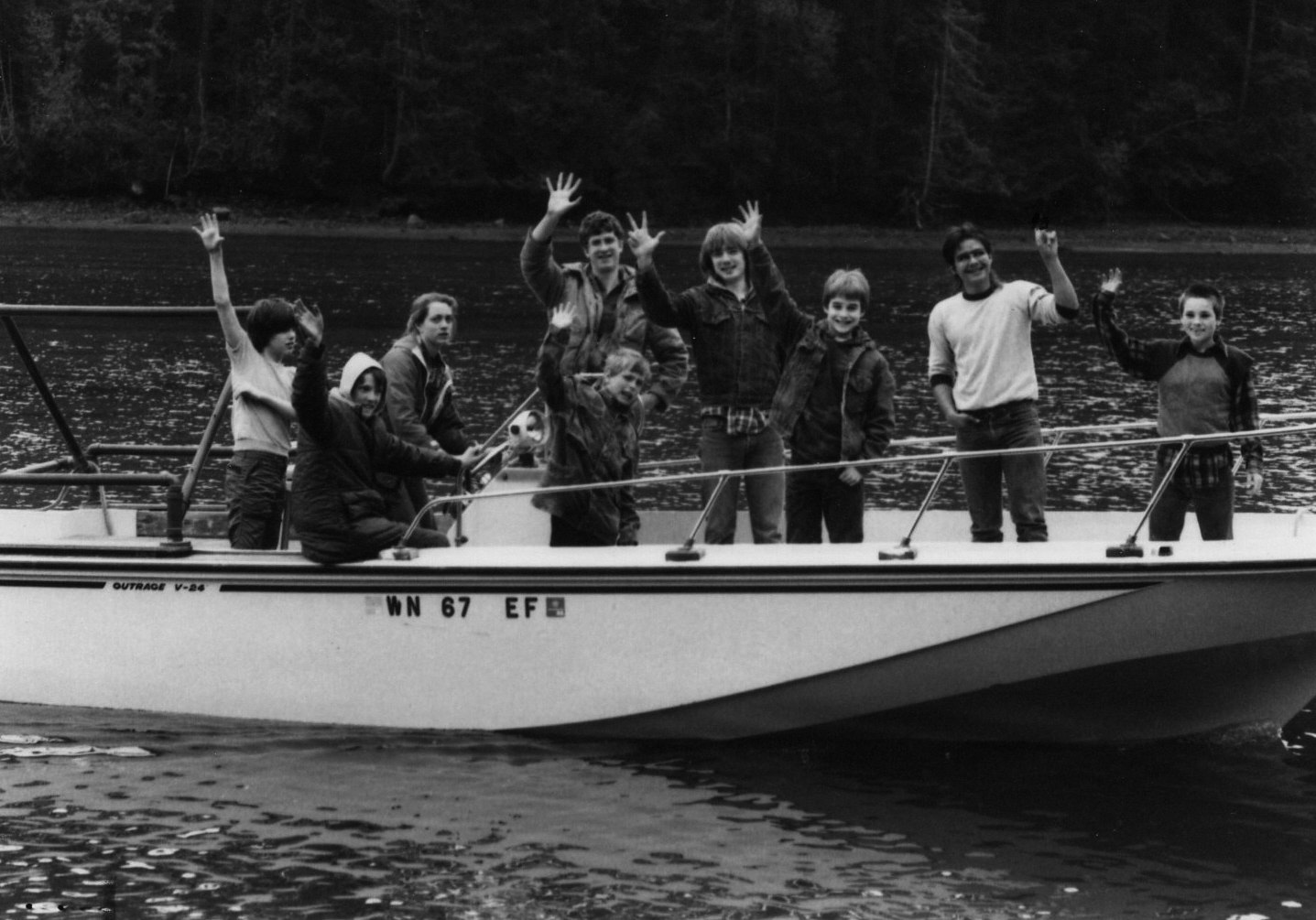
Secret Harbor School opened in 1949 on Cypress Island, a remote island accessible only by personal boat in the Salish Sea north of Anacortes. The state-licensed group home provided housing, recreation, counseling, and therapy to boys who were wards of the state. The program was intended to offer therapeutic residential treatment in an isolated natural setting, but the remoteness that was meant to be therapeutic became a source of dread for many residents.
The school earned the informal nickname "Little Alcatraz" from residents who attempted to escape, often by stealing boats and trying to cross the surrounding waters. A 1978 judge's ruling warned the school to curb escape attempts after 52 separate incidents over three years. A 1974 newspaper report documented a Michigan youth suing the school over alleged abuse, denial of medical care, and being forced to shovel raw sewage. Controversy surrounded the facility from its early years, but it operated until approximately 2008, when it was permanently shut down and its operations relocated.
After closing on Cypress Island, the organization became a Burlington-based nonprofit providing foster care, behavioral health support, and community-based services in Washington. That organization is also now closed. The legal entity that operated Secret Harbor is the defendant in the ongoing lawsuits.
What the Lawsuits Allege
According to a pretrial statement filed in April 2025, Secret Harbor School had a longstanding pattern of staff sexually and physically abusing residents, as well as residents abusing one another. The facility was chronically understaffed, and supervision was poor. When residents reported abuse, staff would dismiss the reports, decline to notify child protective services, blame the victims, and fail to take protective measures.
Cochran, who has represented group home abuse cases since 1993, said the facility had a particular structural problem in how it accepted residents. "You might ask, why would they take some of the most sexually predatory foster care kids? The answer is because that would yield the most money to the group home," Cochran said. "DSHS pays the most for the most damaged kids, and that includes foster children who'd exhibited sexually predatory behavior. So Secret Harbor would take those in, they would pay the most money for those and then they would mix them with just other kids."
The result, according to the lawsuits, was a housing arrangement that placed children with histories of sexual offending in the same dormitories as younger or more vulnerable children, with inadequate supervision to prevent harm. Cochran said the school was "largely understaffed, horrifically staffed and prone to substance abuse in ways that made the environment failing in institutional controls and tending toward a sexually abusive environment."
Where the Cases Stand Now
Cochran filed his first Secret Harbor case after being contacted in 2020 by a former resident. The 24 pending cases have accumulated since then. A federal judge's recent denial of a stay petition filed by Secret Harbor School clears a procedural obstacle that could have delayed trial further. Cochran is now pushing for a trial date to be set before the end of 2026, with proceedings to begin no later than 2027.
Christopher Hall of Tyson and Mendes, the attorney representing Secret Harbor School, did not respond to a request for comment from Salish Current, which first reported the trial developments. The school's legal strategy has relied in part on procedural delays, and the denial of the stay petition is a setback for that approach.
Cypress Island today has a small population of roughly 40 permanent residents and is part of the San Juan Islands network of marine recreation destinations. The island is managed in part as a Washington State Natural Resources Conservation Area. The former Secret Harbor property at the island's harbor sits as a reminder of a chapter in Washington's child welfare history that advocates say should not be forgotten.
Cases involving historic institutional child abuse often face challenges around statutes of limitations, documentary evidence, and locating witnesses after decades have passed. Washington State passed the Child Victims Act in 2019, which extended or eliminated statutes of limitations for many child sexual abuse claims, opening a window for older cases to move forward in court. That legal change is among the factors that have enabled Cochran's clients to pursue claims that might previously have been time-barred.
More on the case history and the legal proceedings is available through the Salish Current, which has followed the story closely. Washington State's child welfare oversight is handled by the Department of Social and Health Services. Anyone with information about Secret Harbor School who has not yet spoken with an attorney can contact PVCA Law in Tacoma. For related local coverage of legal proceedings affecting Northwest Washington communities, see earlier reporting on a federal court ruling affecting the region.