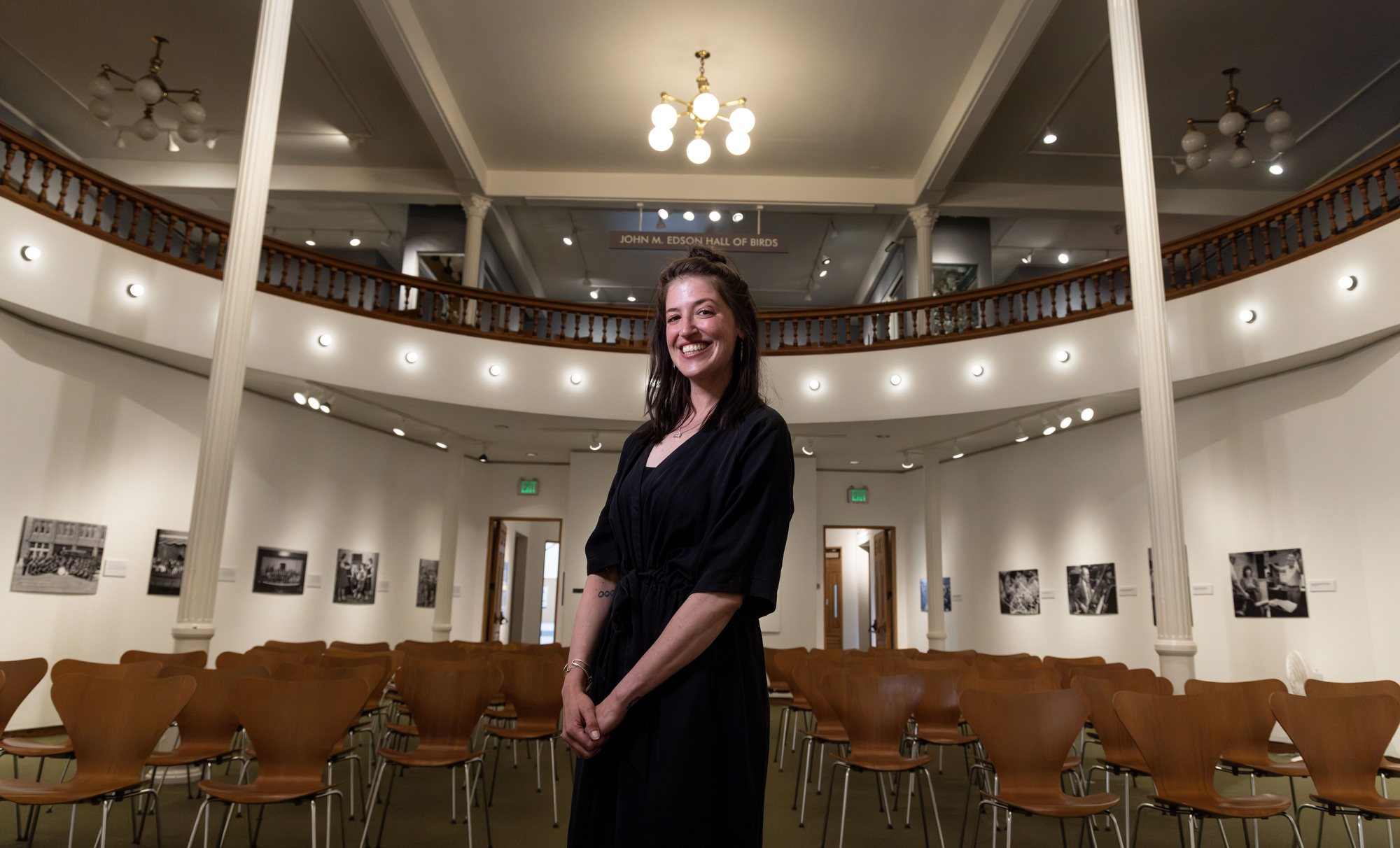
Jessica Borusky arrived as the new executive director of the Whatcom Museum in Bellingham earlier this month, bringing a background in community-centered arts leadership and a stated ambition to make the museum feel relevant to every resident of a city that has changed enormously since the institution was founded more than 80 years ago.
Who Borusky Is and Where They Come From
Borusky, who uses they/them pronouns, previously served as director of the Pratt Fine Arts Center in Seattle, a community-focused studio arts organization known for providing affordable access to metalworking, printmaking, glass blowing, jewelry fabrication, and other disciplines to working artists and hobbyists alike. The Pratt model is explicitly about removing barriers to art-making, keeping studio time and instruction accessible to people who are not wealthy and who may not have formal arts training. That background in democratizing access to the arts is clearly visible in the framing Borusky has brought to their first weeks at the Whatcom Museum.
"There have been national programs, but it's a museum of the community," Borusky said in an interview shortly after beginning their tenure. "I was really interested in how I could participate in uplifting that component of what it does." The emphasis on community identity over institutional prestige is a deliberate positioning, and it signals a direction for programming that could look meaningfully different from approaches that prioritize touring blockbuster exhibitions over locally rooted storytelling and engagement.
Borusky succeeds Patricia Leach, who served as executive director for 17 years and oversaw significant expansion of the museum's three-building campus. That is a long tenure by any standard in the nonprofit arts world, and Leach's years shaped the current physical and institutional identity of the museum substantially. The Lightcatcher Building on West Bakerview Road opened in 2009 under her leadership and brought nationally significant touring exhibitions to Bellingham in a purpose-built gallery environment. The historic Old City Hall building on Prospect Street, which dates to 1892, serves as the museum's most recognizable exterior landmark. A third building houses the museum's archive and collections storage facilities, where tens of thousands of items await cataloguing and digitization.
What the Museum Actually Is
The Whatcom Museum is among the 3 percent of U.S. museums accredited by the American Alliance of Museums, a distinction that requires meeting rigorous standards for collections care, governance, financial stability, and public engagement. That accreditation enables loans from major national collections, including the Smithsonian Institution, meaning a visitor to the Lightcatcher on any given weekend might encounter work that would otherwise only be visible in Washington, D.C. or in a handful of major metropolitan museums. Standing alongside that borrowed prestige is the museum's own permanent collection of local and regional material, which gives the institution a dual identity that is genuinely rare.
That permanent collection is substantial. The museum holds more than 200,000 archived images, including a major collection from photojournalist Jack Carver that is still in the process of being digitally archived, a project that involves careful handling of original photographic materials and systematic cataloguing of subjects, dates, and contexts. The permanent collection and archives document Coast Salish culture, Whatcom County history across multiple eras, and a broad sweep of Pacific Northwestern identity that gives the institution a genuine research function alongside its public-facing gallery role. A collection of more than 600 taxidermied birds adds a natural history dimension that is unusual for an art and history museum of this size.
Old City Hall, the museum's most iconic building, nearly burned down in a 1962 fire that required an extraordinary community response to contain. Donors, social clubs, churches, artists, and a volunteer architect all contributed to the restoration effort that saved the building, a piece of history that speaks directly to the community ownership Borusky is now invoking as an organizing principle for the institution's next chapter.
What Comes Next Under New Leadership
Borusky has described their goal as fostering a "collision of culture, art, and civics" at the museum, a phrase that suggests programming willing to engage with contemporary community issues rather than staying safely within the walls of established art history. Bellingham's population has roughly tripled since the museum was formally enshrined as a city institution in 1944, meaning the community the museum now serves is vastly more diverse in background, interest, age, and expectation than the one that first supported it. A museum that speaks only to the interests of long-established residents is leaving a large portion of its potential audience on the outside.
That gap between institutional identity and community diversity is a challenge facing many regional museums in mid-sized cities that have grown rapidly over the past several decades. Borusky's language about every resident being invited to the art party suggests an intent to address that gap through programming choices, community partnerships, and potentially through changes to how the museum communicates its value to audiences who have never visited. Whether that translates into specific new initiatives, expanded outreach to underrepresented communities, bilingual programming, or other concrete steps will become clearer over the coming months.
Specific programming changes have not yet been announced, but Borusky's arrival is recent enough that the next several months will likely yield a clearer picture of which directions the museum pursues. The museum's current exhibitions and upcoming schedule are posted at whatcommuseum.org. The Whatcom Museum is located at 250 Flora Street for the Lightcatcher Building and 121 Prospect Street for Old City Hall in Bellingham. General admission is free to all Bellingham residents, and visitors from outside the city pay a modest admission fee at the Lightcatcher galleries.