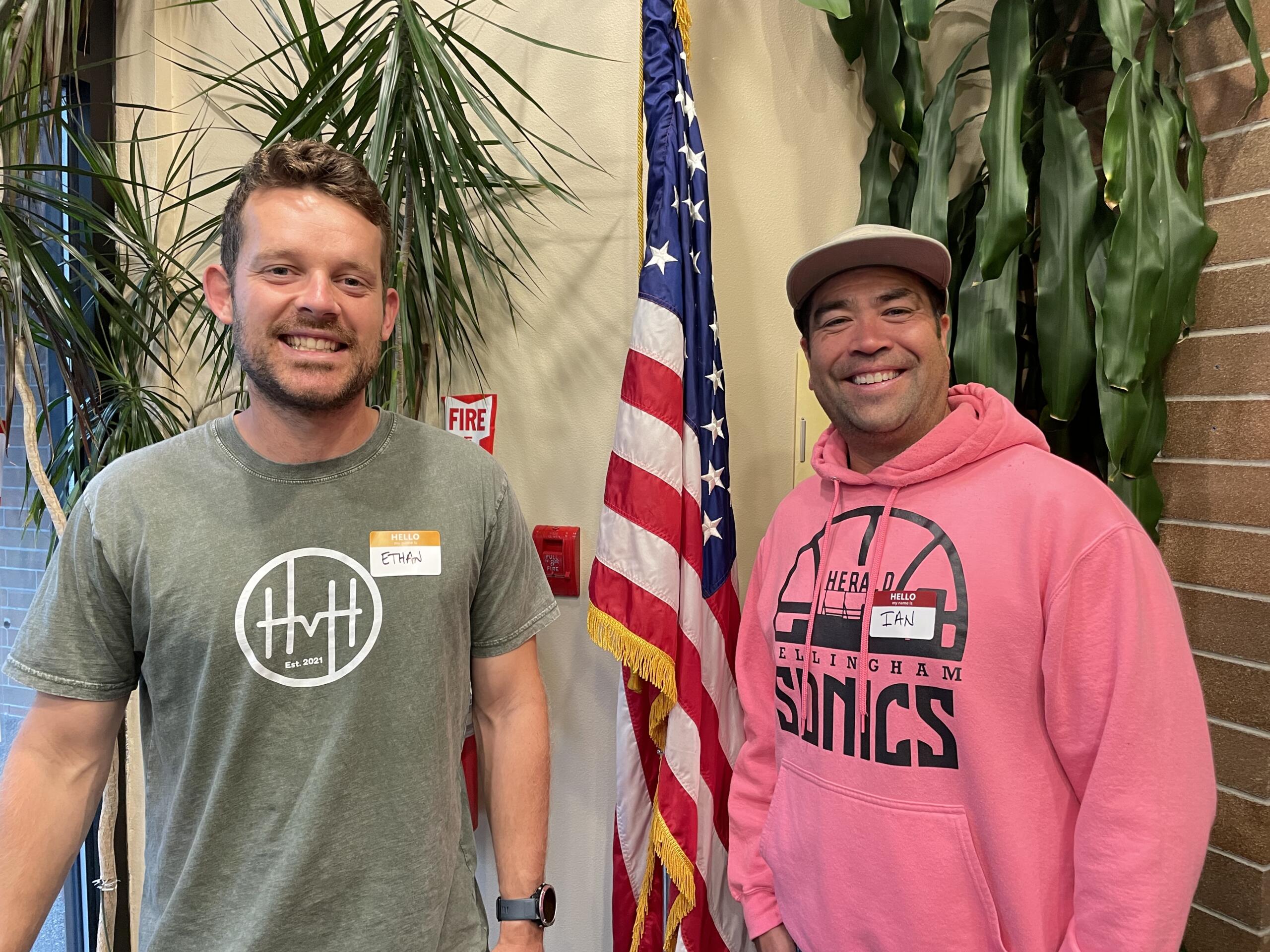
Federal prosecutors in California have charged a former Bellingham resident and his adult son with kidnapping two U.S. Forest Service biologists and holding them hostage for 15 hours in a remote campground in Northern California. The case drew attention in Whatcom County because the father, Joseph Henrichsen, 49, and his son Phoenix Henrichsen, 23, previously lived in Bellingham before the events that led to their arrest.
What Happened at Gumboot Lake
On the morning of Thursday, July 16, two Forest Service employees were conducting field work at Gumboot Lake Campground in Shasta-Trinity National Forest in Northern California. The biologists were studying frog habitats in the area, a routine type of environmental monitoring work carried out by federal scientists across national forest lands throughout the western United States. Frog population surveys in Northern California focus partly on species like the mountain yellow-legged frog and the foothill yellow-legged frog, both of which have experienced significant range contraction due to disease, predation by introduced fish, and habitat alteration.
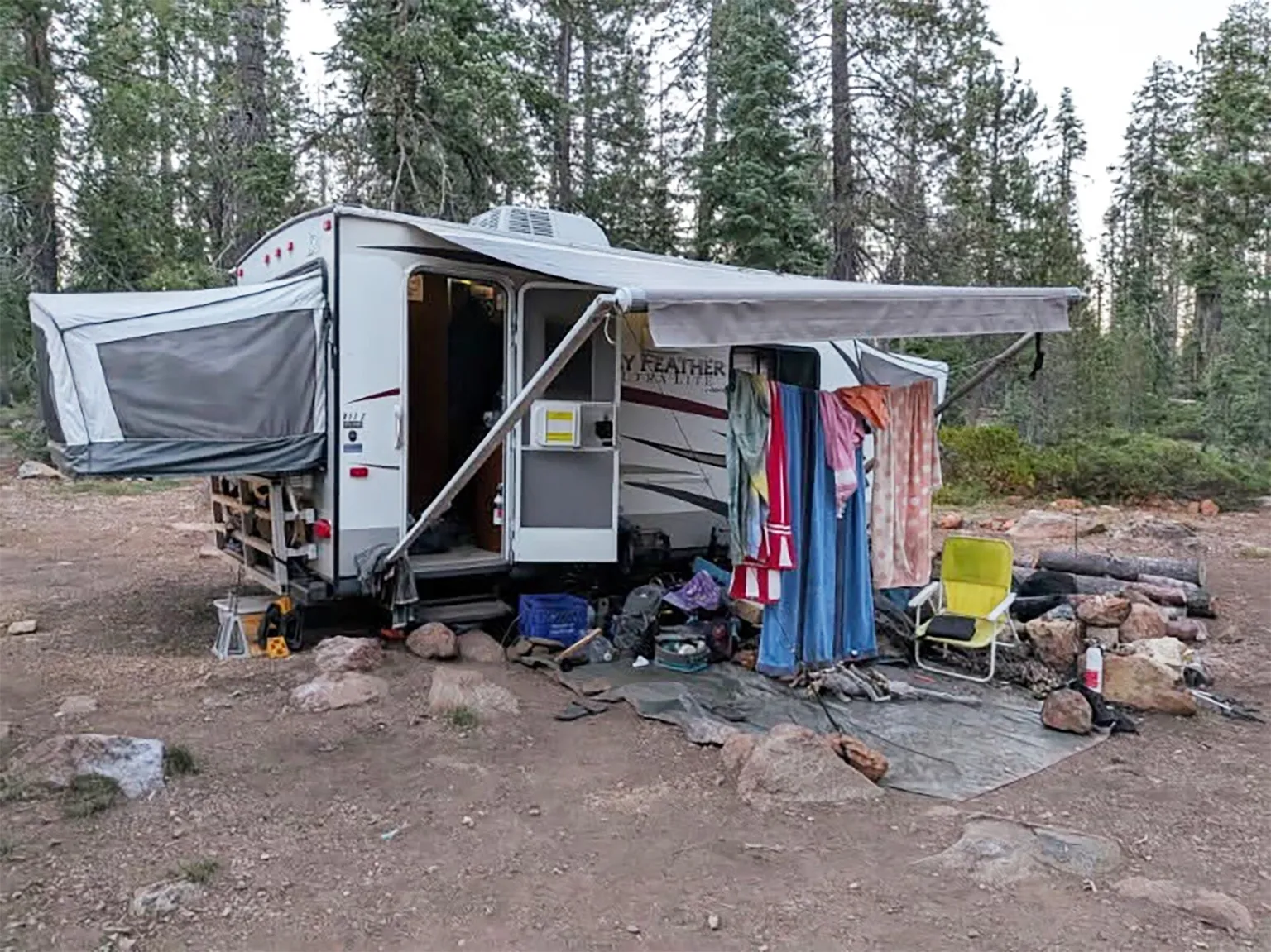
According to federal charging documents filed by the U.S. Attorney's Office in the Eastern District of California, Joseph Henrichsen approached the two biologists carrying an AR-15-style assault rifle. He allegedly ordered them to turn around and put their hands up, then zip-tied their wrists behind their backs. He then walked the two federal employees to a white camping trailer parked near the campground and told his son Phoenix to clear space inside for the captives. The two biologists were confined in the trailer through the day and into the following night.
At some point during the standoff, Henrichsen is alleged to have taken one of the biologists' vehicles and used the radio to contact law enforcement, who began gathering in the area around noon. In a voicemail he left on one of the biologists' phones, Henrichsen admitted to holding the two hostage and stated he had live ammunition. Federal, state, and local law enforcement conducted hostage negotiations for hours before the situation was resolved in the early hours of July 17, roughly 15 hours after the kidnapping began. Both biologists were freed unharmed. The resolution without physical injury to the hostages, after a standoff of that length with a suspect who was armed and had explicitly acknowledged holding live rounds, represents a significant outcome for the negotiating teams involved.
The Arrest and Charges
Joseph and Phoenix Henrichsen were arrested and charged on Monday, July 20. Both face federal kidnapping charges. Under federal law, kidnapping carries a maximum sentence of life in prison if convicted. The case is being prosecuted by the U.S. Attorney's Office for the Eastern District of California, which has jurisdiction over the Shasta-Trinity National Forest area where the events occurred.
Court documents have not specified a clear motive for the attack on the Forest Service biologists. Anti-government sentiment and hostility toward federal land management agencies have been present in parts of the rural West for decades, and federal employees working in remote areas, particularly those associated with environmental regulations or wildlife monitoring, have at times been targeted with harassment and threats. The charging documents describe what happened but do not establish the psychological or ideological context that led Henrichsen to arm himself and confront two scientists doing routine fieldwork at a small campground. That context may emerge during pre-trial proceedings or at trial.
The family's prior connection to Bellingham is the detail that has drawn local attention to what would otherwise be a Northern California story. Neither the Bellingham Police Department nor Whatcom County law enforcement agencies have been named as involved in the investigation, as the events occurred entirely outside Washington State and fall under federal jurisdiction in California.
The Broader Context: Tensions Over Federal Land Management
Attacks on federal employees working in national forests and on federal lands, while rare, are not unprecedented in the rural West, where tensions over land use, grazing rights, timber harvesting, and environmental regulation have been a source of friction between some local communities and federal agencies for decades. The Bundy Ranch standoff in Nevada in 2014 and the occupation of the Malheur National Wildlife Refuge in Oregon in 2016 are among the more prominent examples of confrontations rooted in those tensions, though most such conflicts do not involve the direct physical seizure of federal employees.
The two biologists who were held hostage were conducting conservation work, the kind of environmental monitoring that the Forest Service carries out as part of its legal obligations under the Endangered Species Act and other federal statutes. Frog population surveys are a standard component of that monitoring work in California's Sierra Nevada and Cascades-adjacent ranges, where several frog species are listed as threatened or endangered due to habitat loss, disease, and competition from invasive species. The scientists' presence at Gumboot Lake was not the result of any enforcement action or regulatory decision directed at local landowners; they were doing routine counting and habitat assessment work.
The Shasta-Trinity National Forest covers roughly 2.2 million acres in Northern California and is one of the largest national forests in the country. Gumboot Lake Campground is a small, remote facility within the forest, accessible by a winding road and typically visited by hikers, anglers, and campers rather than large crowds. The remoteness of the location was almost certainly a factor in how the situation developed, limiting the speed with which law enforcement could assemble and respond once the standoff began.
The Henrichsens are scheduled to appear in federal court in California. A trial date has not yet been announced. Given the severity of the charges and the federal jurisdiction involved, the case is likely to take many months to work through the pretrial and trial process. Updates will be available through the Eastern District of California's public court records system and through coverage by regional and national media tracking the prosecution.