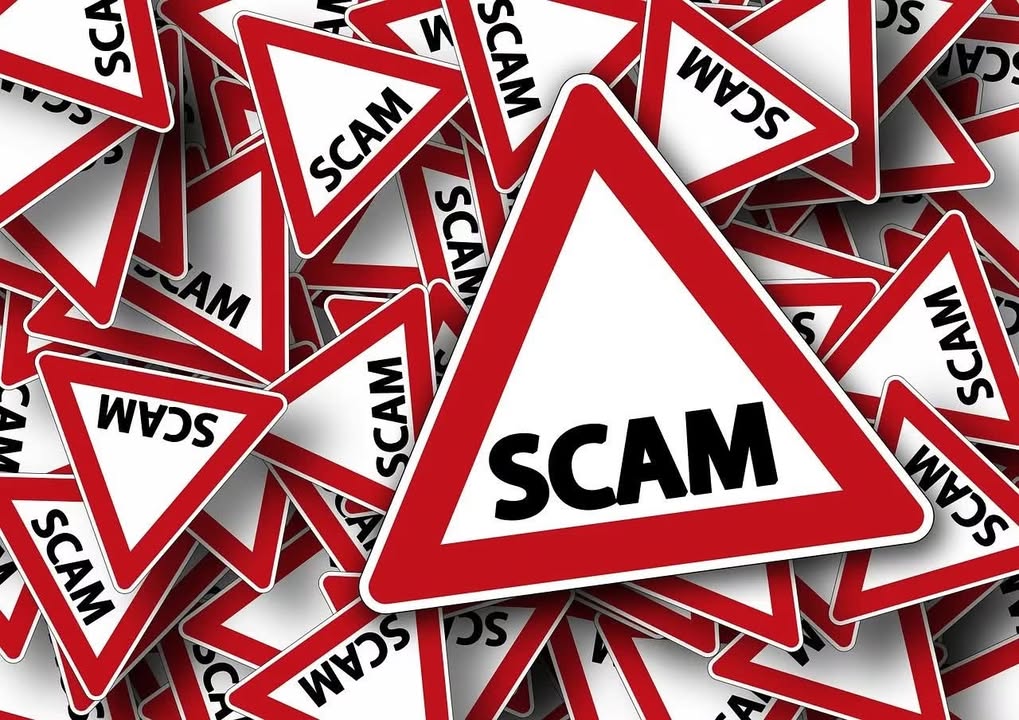
The Bellingham Police Department is warning residents about a disturbing new phone scam making the rounds in Whatcom County, in which callers pretend to be from PeaceHealth St. Joseph Medical Center and deliver false news that a family member is critically injured and near death.
According to BPD, officers took multiple reports on July 17 from residents who received these calls. The caller claims a loved one is on life support and is not expected to survive. So far, investigators say the scammers have made no demands for money, which makes the scheme unusual and leaves police uncertain about the ultimate purpose of the calls.
What the Scam Sounds Like
Callers identify themselves as representatives of PeaceHealth St. Joseph Medical Center, Bellingham's primary acute-care hospital located on Lind Road. They deliver shocking, emotionally charged news: a family member is injured, on life support, and may not make it. The message is designed to cause panic.
No financial demands have accompanied the calls so far in reported cases. Police say the end goal is unclear, but possibilities range from a precursor to a future "grandparent scam" or "virtual kidnapping" demand, to simply causing emotional distress. Investigators are actively looking into the pattern.
The key red flag: the incoming phone number will not match any legitimate PeaceHealth line. Scammers frequently spoof caller ID to display convincing numbers, so even a number that looks local or official cannot be trusted.
What You Should Do If You Get This Call
BPD offers clear steps for anyone who receives a call like this:
First, hang up immediately. Do not stay on the line and do not attempt to gather more information from the caller. Second, do not redial the number that called you, as it may be spoofed and redialing could connect you to the scammer again. Instead, look up the main hospital number independently -- PeaceHealth St. Joseph Medical Center's general line is 360-734-5400 -- and call that number directly to ask whether your family member is actually a patient. Third, do not race to the hospital in a panicked state. BPD explicitly cautions against this because driving while emotionally distressed increases the risk of a traffic accident, and the call is almost certainly a scam.
If you receive such a call and confirm it is fraudulent, report the phone number to the Federal Trade Commission at reportfraud.ftc.gov. The FTC collects these reports and uses them to pursue enforcement actions against scam operations across the country.
Why This Scam Is Especially Unsettling
Most phone scams lead quickly to a financial ask -- gift cards, wire transfers, or cryptocurrency payments. The fact that these callers are not (yet) asking for money makes this pattern harder to categorize and more alarming in some ways. Law enforcement across the country has seen scams evolve in stages: an initial emotional shock call is sometimes followed days later by a second call demanding payment to cover hospital bills or release a loved one.
PeaceHealth St. Joseph is the region's largest hospital and the only Level III trauma center in Whatcom County, so it is a recognizable and credible-sounding institution for scammers to invoke. The hospital serves patients from Bellingham and throughout the county, including communities in Ferndale, Lynden, Birch Bay, and beyond.
Phone scams targeting emotions rather than wallets are not new to the region. The Whatcom County area, like communities across the Pacific Northwest, sees periodic waves of impersonation schemes involving government agencies, utilities, and now hospitals. The Bellingham Police Department encourages residents to share this warning with elderly relatives and neighbors, who are disproportionately targeted by emotionally manipulative phone scams.
How to Stay Ahead of Phone Scams
A few habits can dramatically reduce the chance of falling for scams like this one. Let unknown numbers go to voicemail -- legitimate callers will leave a message. Keep a short list of important phone numbers (hospital, doctor's office, family members) saved in your phone so you can quickly verify claims without redialing. And if a call triggers strong fear or urgency, treat that emotional pressure itself as a warning sign. Scammers deliberately engineer panic because panicked people make poor decisions.
Anyone with information about the calls, or anyone who has received one, is encouraged to file a report with BPD and separately submit the scammer's phone number to the FTC. The more reports the FTC receives, the better positioned federal investigators are to trace and shut down the operation. For guidance on recognizing and reporting all types of consumer fraud, visit the FTC's consumer scam resource page.
For more on scams and public safety alerts affecting Whatcom County residents, see earlier coverage of local emergency services updates.