A major opioid trial with direct connections to Whatcom County got underway Monday, July 13, in King County Superior Court. Washington State Attorney General Nick Brown has filed suit against Albertsons Company, accusing the pharmacy chain of fueling the opioid crisis by ignoring warning signs that prescription opioids it dispensed were being misused or diverted to the illicit drug market.
Whatcom County's Connection to the Trial
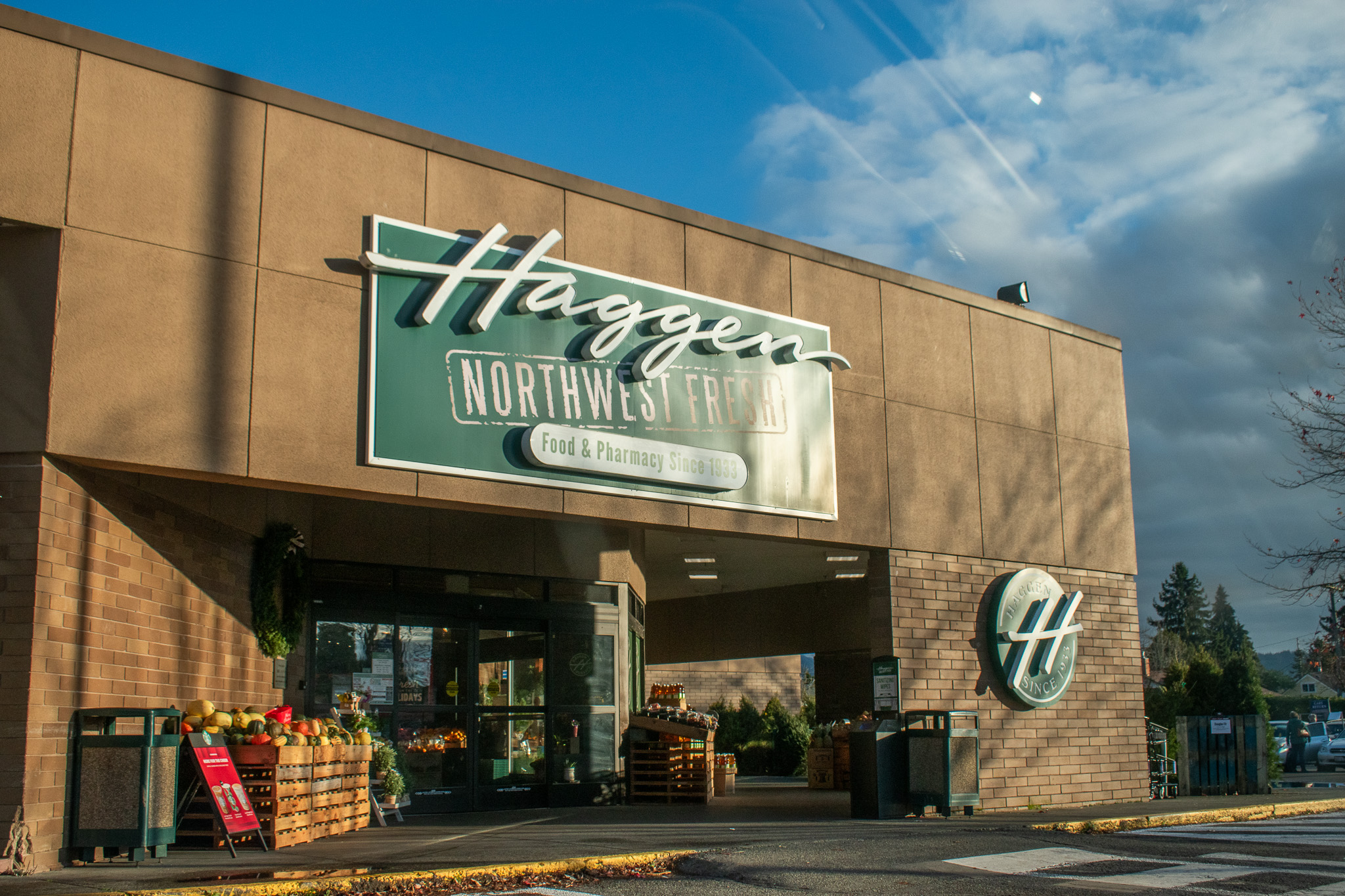
Albertsons operates more than 200 pharmacies across Washington State, doing business under the Albertsons, Safeway, and Haggen brand names. Six of those pharmacies are in Whatcom County: four in Bellingham, one in Ferndale, and one in Lynden. The Haggen name is particularly familiar to longtime Whatcom County residents, as the chain was founded in Bellingham in 1933 before eventually being acquired by Albertsons.
The presence of six Whatcom County locations in the defendant's network means that the conduct at issue in the trial is not an abstract problem happening somewhere else. The allegations cover pharmacy practices statewide, including at neighborhood stores that Whatcom County residents use regularly to fill prescriptions. If the state's case is proven, it would mean that some of the opioid prescriptions dispensed at those local counters were flagged with red flags that pharmacists and managers did not adequately investigate before filling.
The Haggen connection adds a layer of local resonance that goes beyond geography. Haggen was a genuinely Bellingham institution for decades, a locally owned Pacific Northwest grocery chain whose pharmacies were woven into the daily life of Whatcom County families. When Albertsons absorbed Haggen, many customers continued to use the same pharmacy counters under new corporate ownership, trusting that the community-oriented practices of the original business would carry forward. The allegations in this trial raise questions about whether that trust was warranted during the years when prescription opioid dispensing was most problematic nationally.
What the State Is Alleging
The Washington State Attorney General's Office claims Albertsons sold more than 640 million opioid pills in Washington between 2006 and 2022. Attorney General Brown argues that many of those prescriptions showed clear warning signs of misuse or diversion -- patterns that a responsible pharmacy should have identified and refused to fill.
According to the AG's complaint, Albertsons had access to data showing that the majority of new opioid users began with prescription pills before transitioning to stronger drugs like heroin or fentanyl. The state argues the company had a duty to use that knowledge to more carefully scrutinize suspicious prescriptions, and that it failed to do so in pursuit of sales volume.
Albertsons has disputed the allegations. In a statement, the company said the lawsuit reflects a "flawed" application of antitrust and public nuisance law, and that any judgment against it would harm pharmacies and the patients who depend on them.
The central legal question before the jury involves whether pharmacies bear responsibility for scrutinizing the prescriptions they fill, and under what circumstances a pharmacist's professional judgment should override a physician's written order. Federal law and professional pharmacy standards both require pharmacists to use their judgment when filling controlled substances, and the state's case rests in part on showing that Albertsons' corporate policies and staffing practices made it difficult or impossible for individual pharmacists to exercise that judgment effectively. That argument, if accepted by the jury, would represent a significant expansion of pharmacy accountability in opioid litigation.
A Pattern of Opioid Litigation in Washington
The Albertsons trial is the latest in a long series of opioid-related lawsuits brought by the state. Washington has already settled with numerous defendants in the opioid crisis, including Kroger, Rite Aid, Purdue Pharma, Johnson and Johnson, and public relations firm Publicis Health. As of June 2025, those settlements had resulted in nearly $1.29 billion in funds awarded to the state for opioid treatment, prevention, and recovery programs.
Unlike earlier settlements, which were resolved before trial, the Albertsons case is going to a jury. The trial is expected to run through the beginning of September 2026, making it one of the longest-running opioid trials Washington has seen. The outcome could set important precedents for how pharmacy chains are held accountable for their role in the opioid epidemic, which has caused tens of thousands of deaths in Washington State over the past two decades.
Whatcom County has not been immune to opioid harms. The county's public health department has tracked opioid overdose deaths and near-fatal events for years, and recovery and treatment services in Bellingham serve a significant population of residents dealing with opioid use disorder. The connection between prescription opioid dispensing practices and downstream street-level drug use is at the heart of what the state is trying to prove in this trial.
What to Watch Going Forward
The trial is expected to involve extensive expert testimony about pharmacy industry standards, opioid prescribing patterns, and the specific practices at Albertsons-owned stores in Washington. Given the length of the trial -- roughly two months -- regular updates are expected from the AG's office and media coverage of testimony. Key moments to watch include expert witnesses on pharmacy duty-of-care standards, any testimony about specific red-flag prescriptions that were filled at Washington locations, and the state's presentation of data on how dispensing patterns at Albertsons stores correlated with opioid overdose rates in surrounding communities.
Whatcom County residents who have been affected by opioid addiction in their families or communities may be interested in following the trial's progress. Resources for opioid treatment and recovery in Whatcom County are available through Whatcom County Health and Community Services. For related background on opioid policy in the region, earlier coverage of Whatcom County public safety budget pressures provides context on how the county is managing competing priorities in law enforcement and public health.