
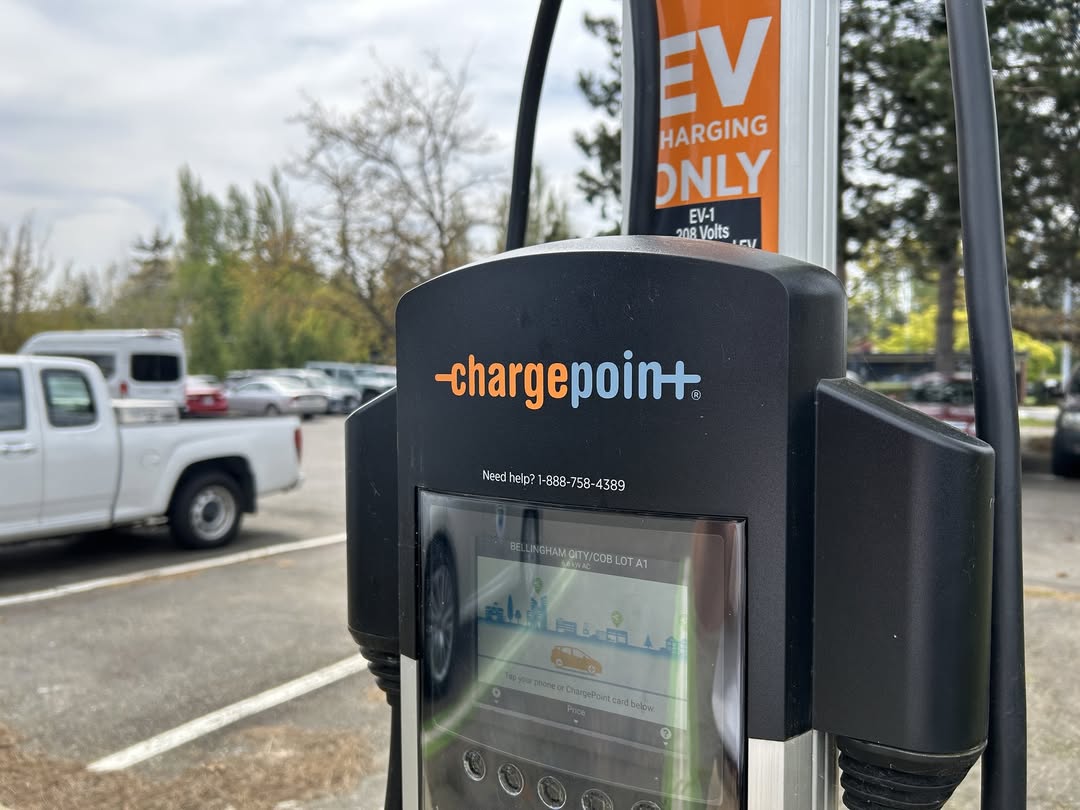
The City of Bellingham is moving forward with a pilot program to put electric vehicles within reach of low-income residents after landing a $630,000 grant from Puget Sound Energy. The funding, awarded through PSE's Transportation Emission Reduction program, will seed a cooperative EV carshare that lets residents share access to electric vehicles without the cost of ownership.
Cooperative carshare models have been used in other cities to extend the benefits of EV adoption beyond households that can afford to purchase or lease an electric car. In Bellingham, where housing and transportation costs have climbed steadily, a shared-access program could reduce both fuel costs and maintenance expenses for working families who rely on personal vehicles but face barriers to switching from gasoline-powered cars.
The City's announcement, shared in the April 30 edition of the Inside Bellingham newsletter, describes the project as a partnership with PSE aimed at reducing transportation emissions while expanding the practical benefits of clean transportation. "We're excited to partner with PSE in shaping a more inclusive and sustainable transportation future for our communities," city officials wrote.
The grant comes from PSE's Transportation Emission Reduction initiative, which funds projects across the utility's service territory that cut carbon output from vehicles. Bellingham's cooperative carshare proposal stood out as a model for delivering those reductions to households that don't typically benefit from EV incentives, which more often flow to buyers with sufficient income to claim tax credits or take on new vehicle debt.
Details on how the cooperative will be structured -- including how residents can join, what vehicles will be available, and how rates will be set -- have not yet been released. The city is expected to publish more information as the pilot takes shape. Residents interested in the program can track updates through cob.org and the Inside Bellingham newsletter.
The same week the EV grant was announced, Bellingham City Council also approved a second cooperative memorandum of agreement with the Lummi Nation, the Nooksack Indian Tribe, and the Washington Department of Fish and Wildlife to restore fish passage throughout the city. That agreement builds on a voluntary 2022 partnership that has already produced an inventory of City-owned fish passage barriers and a prioritized list of restoration projects. Partners will now move toward a formal implementation plan for future fish passage work.
Both initiatives reflect a pattern in Bellingham's current policy direction: leveraging outside partnerships and grant funding to advance environmental and equity goals simultaneously. The fish passage work is part of a broader regional effort to recover salmon habitat across the Nooksack watershed, which supports both tribal treaty rights and the ecosystems that Whatcom County communities depend on.
For low-income Bellingham residents who want to follow the EV carshare program as it develops, the City's community development office is the starting point. More information about the PSE Transportation Emission Reduction grant program can be found at pse.com. Updates on the fish passage agreement and all other city news appear in the weekly Inside Bellingham newsletter, available at cob.org.