Whatcom County Public Works is joining road agencies across the country in marking National Work Zone Awareness Week with a direct message to drivers: slow down and stay alert when traveling through road construction zones. The annual observance is a reminder that work zone safety is not just about protecting the crews doing the work. Statistics show that the majority of work zone fatalities are actually the drivers and passengers passing through.
Road crews work in conditions that most drivers move past without much thought. They are standing feet from live traffic, operating heavy equipment in tight spaces, often during early morning or late evening hours, and in weather that ranges from Whatcom County's frequent rain to summer heat. High-visibility vests and cones mark the boundaries of the work zone, but they do not stop a vehicle that is traveling too fast or whose driver is distracted by a phone or radio.
The Whatcom County Public Works department manages hundreds of miles of county roads ranging from arterials near Bellingham to rural routes through Lynden, Ferndale, Birch Bay, and the upper Nooksack Valley. As spring gets underway, road crews are active across those routes doing everything from filling winter potholes and repairing drainage culverts to larger paving and bridge maintenance projects. The increase in road activity during spring and summer means more work zones, more flaggers, and more opportunities for serious collisions if drivers are not paying attention.
Washington State law requires drivers to reduce speed when passing through active work zones. Fines for speeding in work zones are doubled in Washington, and the presence of workers increases penalties further. Despite those rules, WSDOT data consistently shows that work zones across the state see hundreds of collisions annually, with speed and inattention as the leading contributing factors.
National Work Zone Awareness Week is organized by the American Traffic Safety Services Association and typically runs in April, at the start of the construction season. The timing is intentional: it reaches drivers before the bulk of summer road projects begin, when work zone exposure for both crews and motorists is highest.
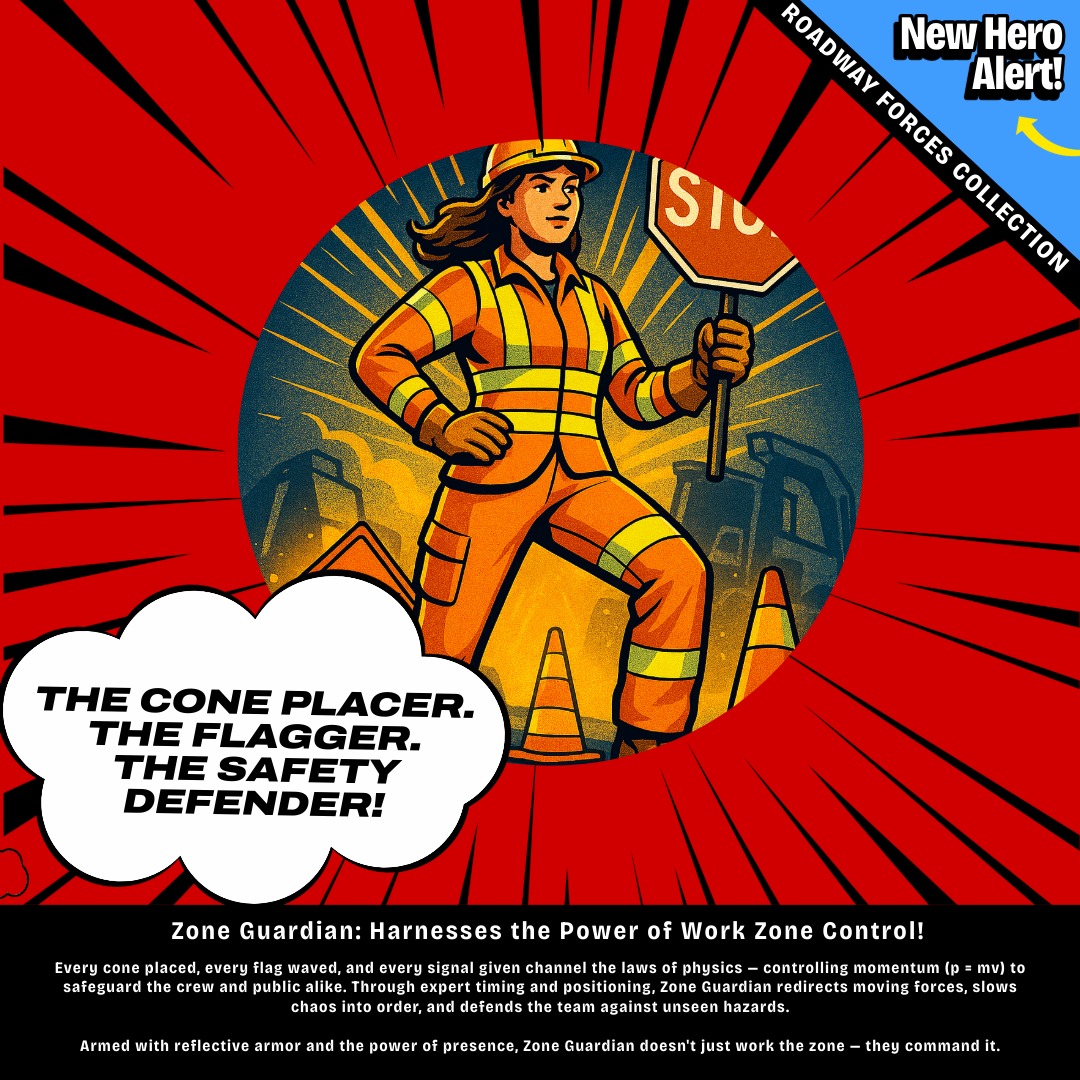
For residents who drive frequently on county roads, the practical advice is straightforward. When approaching a work zone, slow down before the posted speed limit sign rather than at it. Merge early and calmly when a lane is closed, rather than racing to the merge point. Do not use your phone, even at a stop. And give flaggers the same attention you would give a traffic signal: they are managing the flow of traffic through a potentially dangerous situation and they depend on drivers responding promptly and predictably.
County roads in the Sumas Valley, along Guide Meridian, and on Hannegan Road have seen significant maintenance activity in recent years given flood damage and heavy agricultural truck traffic. Drivers heading into those areas should expect active work zones through the spring and summer and plan for brief delays at flagging stations.
More information on county road projects and upcoming closures is available through the Whatcom County Public Works website. Statewide construction zone information and travel alerts are posted by WSDOT. For more on road safety and Whatcom County infrastructure, the county's ongoing drought situation and FEMA flood recovery work in Sumas is covered in this recent briefing.