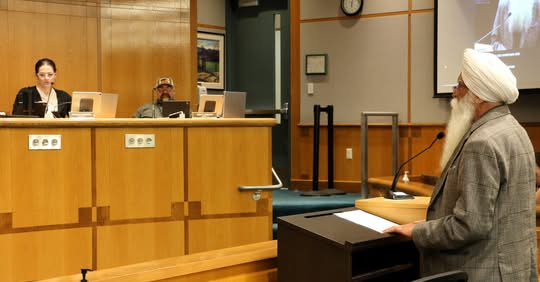
Whatcom County Council is preparing to set a $225 million budget cap to guide the design of a new county jail and behavioral crisis center, a major milestone in a project that voters approved through a 0.2% sales tax in 2023. Council members are weighing a split of roughly $205 million for the jail and $20 million for the behavioral crisis center, with formal discussion expected at the criminal justice committee meeting on Tuesday, April 28.
The budget cap is not a final appropriation. Its purpose is to give architects and planners a firm number to work within, allowing them to develop realistic designs before costs are locked in. The current Whatcom County Jail is a 1980s-era facility long criticized for overcrowding and a near-total absence of mental health support for people in crisis. The proposed replacement has been described as a "therapeutic" jail, with design elements intended to reduce institutional stress, support rehabilitation, and accommodate behavioral health programming inside the building.
The behavioral crisis center would function as a separate inpatient mental health facility. Unlike the jail, it would serve community members who need acute psychiatric care but are not involved in the criminal justice system, as well as people in custody who could be diverted out of jail and into treatment. Advocates have pushed for years for this kind of dedicated facility, pointing to cases where people in mental health crisis cycle through the jail without access to meaningful care.
Running alongside the budget cap discussion is a more contentious debate over community services funding. The 2023 tax ordinance directed that 50% of revenue go toward community services, a provision championed by advocates who argued the county needed to invest in prevention and diversion alongside enforcement. But county officials have signaled that fiscal constraints make a strict 50-50 split difficult to sustain over the project's 30-year horizon.
Revenue projections suggest that over 30 years, as collections grow, 52% of justice tax funds could eventually flow toward community services, though the near-term split would favor construction costs.
The interlocal agreement between the county and its seven cities also remains unresolved. That agreement governs how bond repayment costs are shared across Bellingham, Ferndale, Lynden, Blaine, Birch Bay, and other Whatcom municipalities. Renegotiating it is a prerequisite to moving forward, and city governments have their own fiscal pressures and political priorities to weigh.
For Whatcom County residents, the stakes are substantial. This project touches criminal justice policy, mental health infrastructure, municipal finance, and long-term tax obligations all at once. Community groups that pushed hard for the behavioral health center and community services funding are watching closely to ensure that budget pressures do not shrink the non-jail components as the project moves through design.
The April 28 committee meeting is open to the public. Residents can find agendas, minutes, and budget documents on the Whatcom County website. For more on the county's broader fiscal situation, the latest Emergency Management daily briefing covering the drought declaration and FEMA activity in Sumas is available in this story.
The design phase, once the budget cap is formally adopted, is expected to take several months before any construction timeline is set. The county has stated that no ground will be broken until all financing agreements and interlocal arrangements are finalized.